Bur Dubai is one of the oldest and most culturally significant regions in Dubai, characterized by a blend of traditional and modern elements, including historic architecture, cultural attractions, and bustling nightlife. The area is situated on the southern bank of Dubai Creek and is still a modern business and residential district, but has a very interesting history. This is the place where historic sites are celebrated, like Al Fahidi Historical Neighbourhood, Meena Bazaar, Dubai Creek waterfront, and traditional abra stations. Bur Dubai offers a mix of restaurants, shopping streets, hotels and fantastic transport services, all in one place, allowing visitors to experience the traditional charm and modern lifestyle of the city.
Bur Dubai Quick Facts
| Information | Details |
| Location | Dubai, UAE |
| Area Type | Historic and commercial district |
| Famous For | Heritage sites, shopping, and restaurants |
| Main Attraction | Al Fahidi Historical Neighbourhood |
| Nearby Landmark | Dubai Creek |
| Popular Market | Meena Bazaar |
| Transport | Metro, bus, taxi, abra |
| Main Metro Stations | BurJuman, Al Fahidi |
| Best Time to Visit | October to April |
| Suitable For | Tourists and residents |
| Airport Distance | Around 10–15 minutes from Dubai International Airport |
| Highlights | History, culture, shopping, and dining |
What Makes Bur Dubai One of Dubai’s Most Important Areas?
Bur Dubai has made a significant contribution to the modern development of Dubai. Dubai Creek has historically marked the city into two key areas – Bur Dubai in the south and Deira in the north. The zones grew up where trading, pearl diving, fishing, and seafaring trade brought about Dubai’s initial economic activity.
Bur Dubai is sometimes confused with the older settlement area in Dubai on the mainland. In the course of the years, the district became a mixed-use neighbourhood, retaining many aspects of its cultural heritage.
The area is now visited by a different crowd of visitors:
- Visitors looking for heritage opportunities
- Families looking for convenient accommodation
- For those who like a more central location, the following areas are available for rent:
- Consumers who wish to buy traditional foods
- Business travellers requiring a link with commercial districts
The greatest attraction of the area is the mix of old and new Dubai. In the morning, visit the historic streets; in the afternoon, the modern restaurants; and in the evening, the Creek-side views.
Location and Connectivity of Bur Dubai
Bur Dubai is situated on the western side of Dubai Creek and is connected with other districts by various roads, metro stations, buses, taxis and marine transport. It is centrally located, and as such, it is easy to reach the other areas of Dubai, including Dubai International Airport, Dubai Deira, Dubai Jumeirah, Downtown Dubai and Dubai Sheikh Zayed Road.
The district has several stations on Dubai Metro, including:
- BurJuman Metro Station
- Al Fahidi Metro Station
- Sharaf DG Metro Station
- Oud Metha Metro Station
- ADCB Metro Station
The Dubai Metro offers easy transit via the Red Line and the Green Line, making it possible to move around the city without relying solely on taxis or private cars. The Roads and Transport Authority (RTA) operates the integrated transport system in Dubai, including metro, buses, taxis, and marine transport services.
A trim alternative to getting between Bur Dubai and Deira is by abra, which is a caravan service. Another traditional means of transport between Bur Dubai and Deira is by abra, or caravan service. RTA runs abra (traditional boats) services between areas around Dubai Creek, such as Bur Dubai Abra Station and Deira Old Souq Abra Station.
Historical Importance of Bur Dubai
A Connection to Old Dubai’s Heritage
Dubai Creek was the hub of community life and trade in Bur Dubai, and its history is closely intertwined with that of the city. The creek enabled traders and fishermen to settle and link up with traders and fishing partners in the surrounding areas.
The official information webpage of Dubai outlines that historical Dubai has grown around different areas, such as Al Shindagha, Bur Dubai and Deira, the Creek being a critical aspect of the development of the city.
Some features of traditional Emirati architecture remain in the district, such as wind towers, small lanes, courtyard houses, and heritage buildings. The features offer visitors a glimpse into the past of Dubai, before the days of modern towers and large-scale developments.
Al Fahidi Historical Neighbourhood
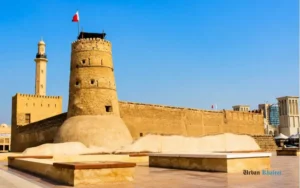
Al Fahidi Historical Neighbourhood is one of the most important areas of heritage in Bur Dubai. Here you can find traditional buildings, museums, art galleries, cultural spaces and small cafés that are based on Emirati architecture.
The area is particularly popular with tourists who are looking for a cultural experience as well as modern attractions. The narrow streets are filled with old-fashioned materials and designs that showcase Dubai’s past lifestyle when one walks through them.
Top Attractions to Visit in Bur Dubai
Al Fahidi Historical Neighbourhood
Al Fahidi Historical Neighbourhood is regarded as one of the best places to start exploring Bur Dubai. Visitors can stroll along the heritage lanes, take a photo with the traditional buildings, attend cultural exhibitions, and sip at Emirati-themed cafés.
The area provides a completely different atmosphere compared with Dubai’s modern districts. In place of glass towers and luxurious malls, visitors can find restored houses, art spaces, and historical surroundings.
Dubai Creek Waterfront
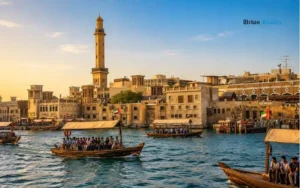
One of the most iconic sights of the area is still Dubai Creek. The waterfront features views of traditional boats, old trading routes, and historic Dubai vs modern developments.
A lot of tourists take an abra ride as well as a Creek walk to get a taste of one of Dubai’s oldest methods of transportation. According to RTA, abra services are Dubai’s heritage transport services, which serve to link key points along the Creek.
Meena Bazaar
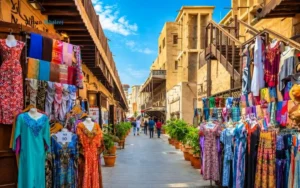
Meena Bazaar is one of the most popular shopping areas in Bur Dubai. The market is known for selling textiles, jewellery, traditional clothes, tailoring, restaurants, and indian food and is a draw to the locals and tourists.
This is a very vibrant place, and particularly the streets are bustling with people during the evening hours, when they visit shops and restaurants.
Dubai Museum Area
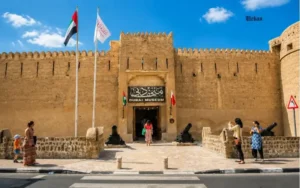
Dubai’s main historical attraction, which is near Al Fahidi Fort, has historically been one of the main attractions of the city. This is one of the areas of Bur Dubai that are explored by visitors interested in the change of the city from a small trading settlement to a global destination.
Grand Mosque
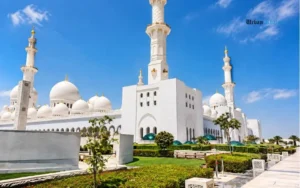
One of the most famous landmarks in Bur Dubai is the Grand Mosque. It is an important cultural and religious site due to its architecture, large minaret, and its proximity to the historical districts.
Best Hotels and Accommodation Options in Bur Dubai
The availability of different accommodation options is one of the main attractions of Bur Dubai for visitors. The district is much more diverse than some of Dubai’s more upscale beachfront districts with luxury hotels, business hotels, budget options, serviced apartments, and family accommodation.
It’s particularly ideal for visitors who prefer to stay within a city’s easy reach of major attractions while remaining on a tight budget. Dubai International Airport, Downtown Dubai, Dubai World Trade Centre,e and shopping hubs are easily accessible from its prime location.
Other popular hotels and lodging are:
| Hotel Category | Suitable For | Main Benefits |
| Luxury hotels | Business travellers and families | Premium facilities, restaurants, pools, and central locations |
| Mid-range hotels | Tourists and couples | Comfortable rooms with good transport access |
| Budget hotels | Backpackers and long-stay visitors | Affordable stays near metro stations |
| Serviced apartments | Families and extended stays | Kitchen facilities and additional space |
Hotels can be found near the following areas:
- BurJuman Mall
- Al Fahidi Street
- Dubai Creek
- Oud Metha
- Khalid Bin Al Waleed Road
The district is convenient for short visits and long stays because of the presence of metro stations, restaurants, supermarkets, shopping areas, etc.
Read Also: Mesk Tower Dubai
Shopping Experiences in Bur Dubai
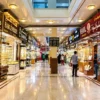
The shopping experience in Bur Dubai is unique from Dubai’s modern mega malls. It is well-known for its traditional markets, textile shops, jewellery stores, and cheap shopping streets, which are supplemented by contemporary shopping centres.
Meena Bazaar Shopping Area
One of the most famous shopping areas in Bur Dubai is Meena Bazaar. In the market, the following have been established:
- Traditional clothing
- Fabrics and textiles
- Tailoring shops
- Jewellery stores
- Accessories
- Ethnic fashion
There are several shops offering tailoring services, and many people visit the site to buy a custom-made outfit, with the selection of fabric and design varying from shop to shop.
There is also a vibrant food scene in the area, featuring restaurants serving South Asian cuisine, Middle Eastern cuisine, and international dishes.
BurJuman Mall
BurJuman is considered to be one of the shopping malls in Dubai and is an important landmark in the area. It has international brands, dining areas, entertainment, and direct connection to the metro.
The mall is located close to BurJuman Metro Station, allowing visitors to easily access the area by public transport.
Al Fahidi Street
Another important commercial area is Al Fahidi Street. It is recognized for electronics stores, mobile stores, computer accessories stores, and different retail shops.
The street is home to numerous independent stores, making it a popular destination for visitors seeking unique and affordable electronic and everyday goods.
Restaurants and Food Scene in Bur Dubai
One of the most popular features of the district is the food. Dubai’s multicultural community has shaped the restaurants in the area, offering a diverse menu of dishes.
Visitors can find:
- Emirati cuisine
- Indian food
- Pakistani restaurants
- Arabic dishes
- Iranian cuisine
- Chinese restaurants
- Cafés and bakeries
Traditional Food Experiences
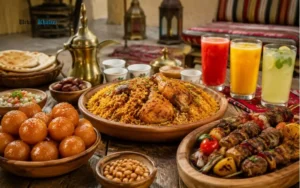
The Al Fahidi heritage areas offer traditional Emirati cuisine and Arabic coffee-tasting opportunities to visitors who want to taste local cuisine.
Some of the most popular dishes visitors are likely to find are:
- Machboos (spiced rice with meat/seafood)
- Luqaimat (sweet dumplings)
- Arabic grilled dishes
- Fresh juice and desserts.
Affordable Dining Options
In contrast to other destination towns, Bur Dubai has numerous budget-friendly restaurants, offering high-quality cuisine. This is popular for people who want a variety of foods at affordable prices and with a variety of uses for the space, as well as students and travellers.
Bur Dubai Metro Stations and Public Transport
One of the major benefits of this district is its transport access. The Dubai Metro system is designed to connect Bur Dubai to various business, residential, and tourist areas.
Some of the key metro stations are:
| Metro Station | Metro Line | Nearby Areas |
| BurJuman Metro Station | Red & Green Lines | BurJuman Mall, central Bur Dubai |
| Al Fahidi Metro Station | Green Line | Heritage areas, Meena Bazaar |
| Sharaf DG Metro Station | Green Line | Residential and commercial zones |
| Oud Metha Metro Station | Green Line | Healthcare and business areas |
| ADCB Metro Station | Red Line | Banks, offices, residential communities |
It is directly connected to the metro from:
- Dubai International Airport
- Downtown Dubai
- Dubai Mall area
- Dubai Marina
- Deira
- Jebel Ali
Some public buses and taxis run throughout the district, which makes it easy for visitors to travel using different modes of transportation.
Parking Facilities in Bur Dubai
Narrow streets and the busy commercial activity in some parts of the area may make parking difficult. But there are paid parking areas, hotel parking lots, and mall parking facilities available.
Useful parking areas:
- BurJuman Mall parking
- There is no fee for RTA parking areas.
- Hotel parking facilities
- Private parking buildings
People visiting the heritage areas are advised to use public transport as metro stations are close to many of the attractions.
Best Time to Visit Bur Dubai
The best time to visit outside places is the colder season, typically October to April. This time, visitors can safely walk through the historic streets, visit the markets, and visit Creek-side areas.
Morning
The morning hours are conducive to:
- Al Fahidi Historical Neighbourhood
- Heritage walks
- Museums
- Photography
Evening
In particular, evenings are great for:
- Dubai Creek views
- Abra rides
- Shopping markets
- Restaurants
Vibrancy happens after dark, as markets and eating streets draw in people.
Living in Bur Dubai: Residential Lifestyle
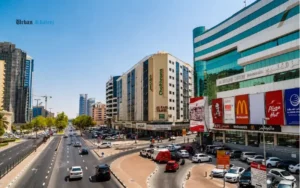
Bur Dubai is a tourist and commercial centre, but it also has a number of residential areas. The neighbourhood’s central location is a favourite with many professionals, families, and long-term residents.
Residential advantages include:
- Easy metro access
- Nearby supermarkets
- Schools, health care facilities
- Variety of restaurants
- Connectivity to business districts on the streets.
Apartments come in different shapes and prices, from older options with more affordable rents to newer towers, which are equipped with premium amenities.
The district is ideal for those who like to live in an urban setting where everything is within walking distance.
Read Also: Lake Central Tower
Advantages and Disadvantages of Living in Bur Dubai
Benefits of Living in the Area
- Very good public transport links.
- Situated close to Dubai’s business areas
- Large variety of restaurants and shops
- Rich cultural atmosphere
- Available for various budgets
Things to Consider
- Congestion during busy times of day.
- Parking space in congested streets is limited.
- In some parts,e older buildings are seen.
- Convenience during evenings
The appropriateness of the area is determined by lifestyle choices. Those who prefer to live in the center of the city tend to value convenience, and those who prefer a quieter suburban area may like newer housing developments.
Bur Dubai Rental Prices (Average)
| Property Type | Average Annual Rent |
| Studio Apartment | AED 35,000 – AED 55,000 per year |
| 1 Bedroom Apartment | AED 50,000 – AED 85,000 per year |
| 2 Bedroom Apartment | AED 75,000 – AED 120,000 per year |
| 3 Bedroom Apartment | AED 110,000 – AED 170,000 per year |
| Furnished Apartment | AED 60,000 – AED 150,000 per year |
| Serviced Apartment | AED 7,000 – AED 15,000 per month |
| Office Space | AED 80 – AED 200 per sq. ft. per year |
Rental prices in Bur Dubai can vary depending on the building age, exact location, facilities, furnishing, and proximity to metro stations.
Nearby Places to Visit from Bur Dubai
As it is centrally located, people can easily reach several of the famous Dubai attractions.
Nearby destinations include:
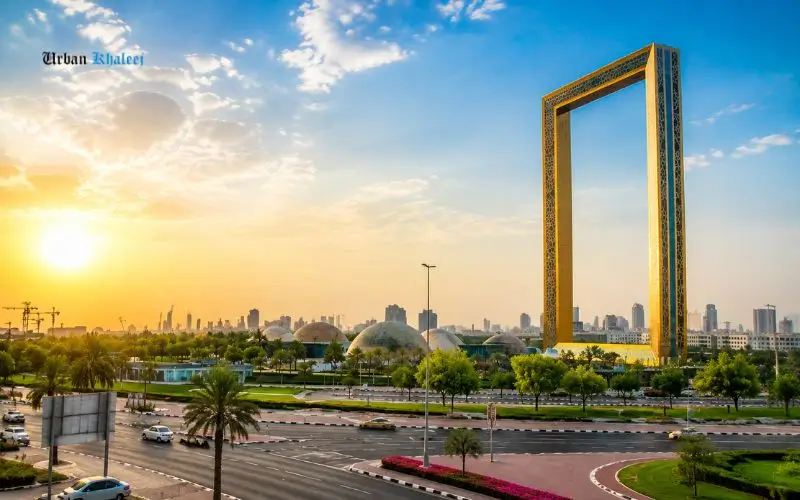
Dubai Frame
Dubai Frame is situated in Zabeel Park, enabling views of Dubai—both historical and contemporary. It’s just a short drive from Bur Dubai and one of the city’s architectural highlights.
Downtown Dubai
Major attractions and entertainment venues are situated in the Downtown area, which is easily accessible by taxi or metro.
Dubai World Trade Centre
Bur Dubai is also popular among business travellers due to its proximity to Dubai World Trade Centre and exhibitions.
Deira
Bur Dubai is close to another historic neighbourhood known as Deira, which is renowned for its traditional markets and Creek-side experience – a short abra ride or metro journey away.
Travel Tips for Visitors
Visitors should consider the following tips for a comfortable experience in the area:
- Take advantage of the metro during busy times of the day.
- Have comfortable shoes for heritage walks.
- Check out a market at night for some hustle and bustle.
- Bring cash to some small stores and traditional markets
- Plan museums and cultural attractions for times that are not too busy.
Conclusion
In terms of history, culture, shopping, food and modern convenience, Bur Dubai is one of the most complete neighbourhoods in which to experience the history and culture of Dubai in one place. The rich heritage, transport links, variety of restaurants and choice of accommodation make it an ideal place for tourists, residents, and business travellers alike.
This historic district offers a glimpse into Dubai’s roots, while the newer districts reflect its future. The area is also known for its traditional shops, which line the streets and sell a variety of goods, including clothing, jewelry, and souvenirs. The area is also home to various traditional shops that line the streets and offer a range of goods, from clothing to jewelry to souvenirs.
Read Also: Silverene Tower Dubai: Apartments, Facilities, Rental Prices & Lifestyle
Lake Terrace Tower Dubai: Location, Apartments, Amenities & Investment
Le Solarium Tower Dubai Silicon Oasis: Complete Property Guide
Frequently Asked Questions
What is Bur Dubai famous for?
Bur Dubai is renowned for its historical buildings, Dubai Creek, Al Fahidi Historical Neighbourhood, Meena Bazaar, traditional markets, restaurants, and attractions.
Is Bur Dubai a good place to stay for tourists?
Yes, Bur Dubai is a tourist favorite place as there are several hotels, restaurants, shopping areas, metro stations, and it is well connected to other major tourist attractions.
How can I reach Bur Dubai from Dubai Airport?
Bur Dubai is accessible from Dubai International Airport by metro, taxi or private car. Terminal rides to and from metro stations are available, depending on the terminal and destination, which is a more affordable choice.
What are the best places to visit in Bur Dubai?
Attractions include Al Fahidi Historical Neighbourhood, Dubai Creek, Meena Bazaar, BurJuman Mall, Grand Mosque, and heritage areas.
Is Bur Dubai expensive compared with other Dubai areas?
There are many prices available in Bur Dubai. Many of the hotels and restaurants are high-end, but there are also several budget-friendly lodging, restaurant, and shopping choices available.
Is Bur Dubai a good area for families?
Yes, Bur Dubai is good for families as it has residential apartments, schools, medical facilities, supermarkets, restaurants, and of course, it is easily accessible to public transportation.
What is the best time to visit Bur Dubai?
Visitors can enjoy the cooler weather of Bur Dubai from October to April, which is the ideal season for exploring the city’s traditional districts, markets, and outdoor attractions.