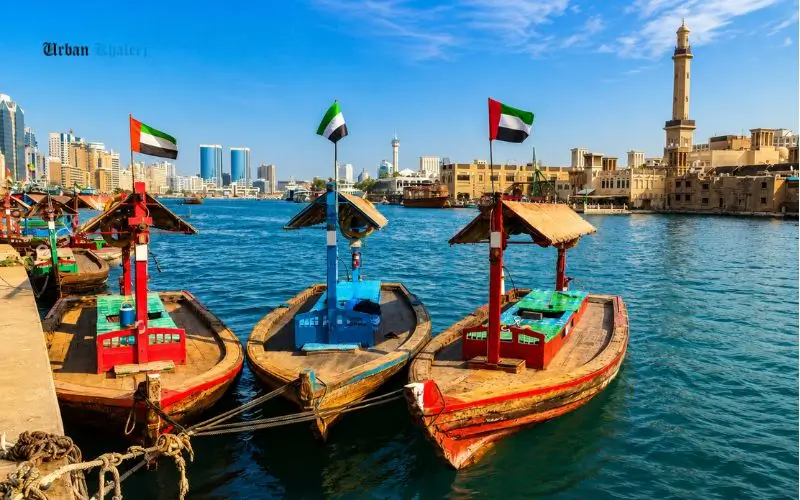
One of the oldest and most popular methods of crossing Dubai Creek from Deira to Bur Dubai is called Abra Deira Dubai. These are traditional wooden boats still being used by thousands of people daily by Dubai’s Roads and Transport Authority (RTA). The one-way ticket is only AED 1, and the ride will not take more than 5 to 10 minutes. On the way, you will see beautiful views of Dubai Creek and connect the two historic areas of Dubai. This is popular among locals and tourists as it is both cheap and fast, while also being authentic. The abra is still a significant aspect of Dubai’s cultural heritage and transportation system today.
Abra Deira Dubai at a Glance
| Feature | Details |
| Location | Dubai Creek |
| Main Route | Deira Old Souq ↔ Bur Dubai |
| Fare | AED 1 per passenger (cash) |
| Operator | Dubai Roads and Transport Authority (RTA) |
| Journey Time | Around 5–10 minutes |
| Payment | Cash for traditional motorized abra |
| Best For | Sightseeing, commuting, photography, heritage experience |
| Nearby Metro | Al Ras Metro Station, Sharaf DG Metro Station |
What Is Abra Deira Dubai?
An abra is a traditional wooden boat that has been used for decades to cross Dubai Creek. These boats were the main mode of transport between Deira and Bur Dubai long before the modern-day bridges and metro lines were built.
As of today, they still form part of Dubai’s public transport system, while also serving as an integral part of the city’s heritage. People still use abras today for their affordability, speed, convenience, and for the cultural experience and views of the creek; visitors use them for their views of the creek.
The traditional abra is a working public transport service as compared to sightseeing cruises. The short trip is an exceptional way to experience the historic part of Dubai, which many travellers leave out.
Why the Deira Abra Is So Popular
The Deira abra is not just a journey on a boat; it’s an immersion in history, local culture, and convenience.
It’s still popular for part of the following reasons:
- It is one of the cheapest experiences in Dubai, with a cost of AED 1.
- It will only take a few minutes to cross this bridge.
- Frequent boat services all day long.
- It is directly linked to the traditional souks of Old Dubai.
- Welcoming the visitor with a view of Dubai Creek from above.
- It is not a tourist site for entertainment but a real cultural experience.
A good number of visitors spend this brief crossing as one of the most memorable moments during their Dubai visit, as this is the scene of the city’s trading history before the Dubai we know today came into existence.
Why the Deira Abra Is So Popular
Dubai Creek has always been the commercial hub of the city. Before the construction of highways, tunnels and bridges, merchants used the traditional wooden boats to transport people and goods back and forth across the creek.
The abra became a part of everyday life, allowing traders to go to the renowned markets, including the Gold Souk, Spice Souk and textile markets. Since Dubai developed into a city of the world, authorities decided not to abandon it altogether, but to keep the traditional ways of transportation.
The RTA is responsible for the traditional motorized abras today, and preserves their historic appearance. This equilibrium of the old and the new form of public transport makes the abra one of the most famous cultural landmarks in Dubai.
Read Also: Aster Clinic Al Nahda Dubai
Abra Routes Between Deira and Bur Dubai
There are several maritime crossings around Dubai Creek, of which the most common traditional crossing is from Bur Dubai Abra Station to Deira Old Souq Abra Station.
Bur Dubai Abra Station ↔ Deira Old Souq Abra Station (CR1)
It is the traditional path of most tourists.
Highlights
- Direct crossing over Dubai Creek
- Around 5–10 minutes
- AED 1 fare
- Great for guests of Old Dubai.
- Students will leave throughout the day as needed.
Dubai Old Souq ↔ Al Sabkha (CR2)
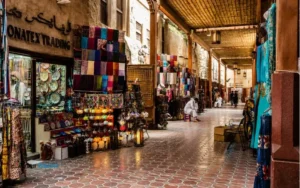
It is a popular route for locals and shoppers at the traditional markets.
It offers another convenient means of transport for the historic commercial district and links key commercial centres in Deira. The RTA said that the service is running around the clock.
Abra Fare in Deira Dubai
The traditional abra is probably the most popular option because its prices are so low.
| Ticket Type | Fare |
| Traditional Abra | AED 1 per passenger |
| Private Charter (30 minutes) | AED 60 |
| Private Charter (1 hour) | AED 120 |
Normal motorized abras take cash for the normal crossing. There are also private charters for those who would like to spend more time sightseeing or for a private group ride.
Abra Timings
According to the RTA, the main traditional route of Deira–Bur Dubai is generally active between 6 AM and midnight, and the Dubai Old Souq–Al Sabkha is 24 hours. The operating timetables may vary in the event of public holidays or special events; it is advisable to check the latest timetable before travelling.
| Route | Typical Operating Hours |
| Bur Dubai ↔ Deira Old Souq | 6:00 AM – 12:00 Midnight |
| Dubai Old Souq ↔ Al Sabkha | 24 Hours |
The benefits of the traditional abras are that they have high frequency. Typically, passengers will wait a few minutes before boarding during rush hours.
How to Reach the Deira Abra Station
The public transport in Dubai makes it easy to reach the abra station.
By Metro
The nearest metro station on the Deira side is Al Ras Metro Station,n which is within walking distance of the Deira Old Souq Abra Station.
Sharaf DG Metro Station also offers a convenient location from Bur Dubai to the creek area.
By Bus
There are a number of RTA bus services running to Deira Old Souq and Bur Dubai, so you will be able to transfer easily to the marine stations.
By Taxi
There are lots of taxis in Dubai, and they can take you right to either of the abra stations.
By Car
Access to the area is made possible by paid parking facilities nearby, which may be full during the weekends and evenings, due to the traditional markets.
What to Expect During the Abra Ride
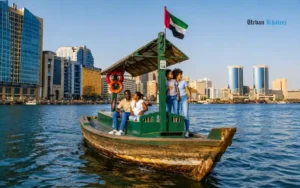
An abra ride may only take a few minutes, but it will provide a completely different view of Dubai. On one side you’ll find historic trading districts while on the other side you can see the modern developments as the boat passes through Dubai Creek.
The boats are basic, open-air, wooden boats that have a central seating area. Luxury seating or onboard entertainment is not a part of this experience, which is done to be as authentic as possible. The boat is a popular means of transport for locals, traders with their shopping bags,s and tourists as well; it is one of the few places where visitors get to see Dubai’s daily life.
Once you are out of the station, you will see lively walkways where people are going to and from the water, traditional dhows are being filled with cargo, cafes situated right on the waterfront,nt and the historic buildings that have built the trading economy of Dubai for decades.
Best Time to Visit Abra Deira Dubai
The abra is available for most of the day, but there are better times to ride it than others.
Early Morning
The best time to visit is in the morning when it is cooler and less crowded. It is also a great time for photos due to the soft sunlight.
Late Afternoon
Late afternoon is a popular time when traveler traffic increases and daily activities come to an end, and the temperatures improve.
Sunset
The best time to cross Dubai Creek is considered to be sunset. Changing hues play on the sky as the old Dubai neighborhoods start to come alive, making it one of the most photographed vistas in Old Dubai.
Evening
Once the sun sets, both sides of Dubai Creek are vibrant with restaurants, cafés, traditional markets, and street vendors. Rides in the evening are particularly fun during the cooler months (November to March).
Attractions Near Deira Abra Station
The main benefit of the abra is that you are within walking distance of some of Dubai’s iconic heritage sites.
Dubai Gold Souk
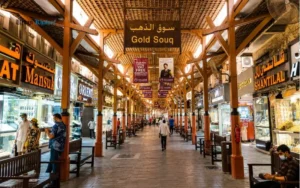
The Gold Souk is one of the biggest gold markets in the world, which is just a few steps away from Deira Old Souq Abra Station. Centuries of jewelry stores sell gold, diamonds, platinum, pearls, and precious gemstones.
Many people come to the market even if not purchasing any items to enjoy the atmosphere and craftsmanship.
Dubai Spice Souk
The Spice Souk is located near the Gold Souk and is a sensory experience, showcasing the diverse colors of spices, dried fruits, herbs, saffron, teas, perfumes, and traditional Arab products.
The narrow corridors, spiced stalls, and the general ambiance evoke the old-world charm of Dubai as a hub of trade in the region.
Deira Old Souk
Pots de Souk offers local products, handicrafts, souvenirs, local fabrics, traditional clothing,g and perfumes.
The area is not like the shopping malls today, but maintains its historic atmosphere, making it a great experience of the traditional market culture.
Al Fahidi Historical Neighborhood
Bur Dubai is crossed, ed and many visitors head on to the Al Fahidi Historical Neighborhood, one of the oldest preserved areas in Dubai.
Its narrow lanes, wind-tower design, museums, art galleries and cultural centers depict what Dubai was like before the speed of urban growth.
Dubai Museum Area
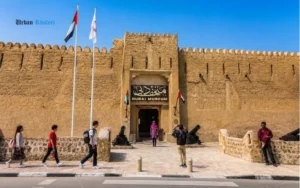
While the primary museum is in the process of redevelopment within the walls of Al Fahidi Fort, there are several museums and cultural activities in the surrounding heritage district to tell the story of Dubai’s maritime, commercial and social history.
Sheikh Mohammed Centre for Cultural Understanding
Those who want to explore Emirati culture can take a guided tour through the heritage, traditional meals, and cultural discussions that will introduce them to Emirati customs, traditions, and history.
Things to Do Around Dubai Creek
A few minutes on the abra is all that many travelers spend, but way more time should be spent in the surrounding area!
These are some good activities to try:
- A man strolling the Dubai Creek waterfront.
- A visit to the Gold and Spice souks.
- Purchasing souvenirs of the traditional kind.
- Eating traditional Emirati and Middle Eastern food.
- Observing traditional cargo dhows loading.
- Museums and heritage houses visited.
- Taking photographs of Dubai’s historic skyline.
These attractions combine to help fill up a half day or more.
Read Also: Lake Terrace Tower Dubai
Photography Tips
Among the best photography spots in Dubai is Dubai Creek, particularly for those with a passion for architecture and street photography.
For optimum results:
- Make trips around sunrise/sunset time. Visit around dawn/dusk.
- Stay at the edge of the abra to get the best views.
- Take a photo of both skylines of Deira and Bur Dubai.
- Show traditional wooden boats in wide shots.
- Take pictures of the hustle and bustle of the souks following the crossing.
- Take care of the privacy of others; do not take people’s close-up photos without permission.
What Makes the Abra Different from Other Dubai Boat Tours?
Many visitors confuse the traditional abra with water taxis, ferries, or sightseeing cruises. While they all operate on Dubai’s waterways, they serve different purposes.
| Feature | Traditional Abra | Water Taxi | Ferry |
| Purpose | Public transport | Private transport | Public transport |
| Typical Fare | AED 1 | Premium pricing | Higher than abra |
| Journey Length | 5–10 minutes | Varies | Longer routes |
| Experience | Heritage | Modern | Scenic |
| Best For | Authentic culture | Convenience | Longer sightseeing |
The traditional abra remains the most affordable and culturally authentic option.
Tips for First-Time Visitors
With a little planning, your visit will go more smoothly and will be more fun.
- Have a small amount of cash to pay the fare.
- Try to go during cooler times of the year, if at all possible.
- Comfortable walking shoes are required as a lot of the markets in the area are best explored by walking.
- Ensure the camera is at hand before getting on board.
- For best lighting, arrive just before dusk.
- Don’t view this as a trip alone – include a visit to local heritage sites.
- Be aware of belongings during rush hours.
Is Abra Deira Dubai Worth Visiting?
But for many travellers, this is the answer.
The abra is a Dubai attraction that is not found in any of the Dubai theme parks or observation decks. It brings the history of trading in the city alive, and it also forms a part of the daily public transport system.
It’s budget-friendly, fast, family-friendly, and can be easily used with some of Dubai’s most essential historic sites.
The abra offers a true experience of Dubai, showcasing the rich history of the city and the significance of Dubai Creek, whether you’re a first-time visitor or a repeat customer looking for a different perspective of the city.
Accessibility and Visitor Information
The traditional abra is much more than a tourist attraction; it is meant to be a working public transport. Boarding is directly from the dock, with passengers who have limited mobility needing assistance when boarding and leaving the boat. The RTA has sought to modernize the marine transport (abras), and in some cases has increased their accessibility, but the traditional wooden abras remain unchanged. For those who are planning to visit due to accessibility, please refer to the latest transport details given by the RTA before your visit.
The abra is safe for families with children, although young children should sit the entire time crossing. It is short, and life jackets are provided as necessary per RTA safety protocols.
Where to Eat Near Deira Abra Station
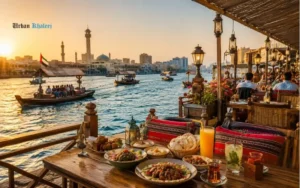
Once on the other side of Dubai Creek, numerous restaurants and cafes offer a range of Emirati dishes as well as Indian, Pakistani, Iranian, and Arabic dishes.
Some of the most popular places in Old Dubai are:
- Karak tea and fresh juices at local cafes.
- Old-fashioned Arabic restaurants serving meats and mezze.
- Creek-side seafood restaurants.
- Around Al Seef and Bur Dubai, there are international restaurants.
- Street food vendors, serving shawarma, falafel and freshly baked bread.
For those who want to venture into Dubai souks, stopping at one of the waterfront cafés offers a great opportunity to enjoy views of Dubai Creek and witness abras and traditional dhows.
Safety Tips
Dubai is considered one of the safest cities for tourists to visit, but there are some steps they should take to ensure their trip goes smoothly.
- Wait until people have got on the abra before you get on.
- Stay in your seat while crossing.
- Make sure personal items are secured, particularly during peak hours.
- Avoid leaning over the sides of the boat.
- Bring water to drink in the summer.
- Use sunscreen and a hat while outside during daytime.
- Obey the boat operator’s directions.
Final Thoughts
The abra ride in Dubai is one of the easiest but most satisfying experiences to have in Dubai. This allows you to cross the historic waters of Dubai Creek, make a trip through Dubai’s two oldest neighborhoods, and enjoy a form of transportation that has linked traders and residents for centuries in Dubai.
Differentiating it from many contemporary attractions, the traditional abra is still in operation as a part of Dubai’s public transport system and at the same time keeping the heritage of the sea alive in the city. Along with trips to the Gold Souk, Spice Souk, Al Fahidi Historical Neighborhood, and other cultural attractions, it will provide a good introduction to Old Dubai.
Read Also: Al Rigga Metro Station: Route, Timings, Fares & Nearby Attractions
Best Places to Visit Near Dubai: Top Day Trips & Weekend Getaways
Dubai Golden Visa: Eligibility, Requirements, Benefits & Complete Application Guide
Frequently Asked Questions
How much does the traditional abra cost in Deira Dubai?
The cost of an abra ride is AED 1 per passenger. It offers one of Dubai’s cheapest methods of crossing Dubai Creek and experiencing a cultural adventure.
How long does an abra ride take?
The ride typically takes 5-10 minutes, depending on the amount of water traffic and passengers boarding. There are lots of boats around during the day.
Where can I catch the abra in Deira?
The abra is available from Deira Old Souq Abra Station (walkable from Gold Souq, Spice Souq and Al Ras Metro Station).
Is the Deira abra suitable for tourists?
Yes. Abra is another popular gem of the traditional city of Dubai and is a great way to explore Old Dubai without the big bucks.
Can I pay by card?
Generally, traditional wooden abras will take cash for an AED 1 fare. It’s a good idea to carry small change when visiting.
What is the best time to ride the abra?
Late afternoon or around the time of sunset is an ideal time as the weather is cooler and views of Dubai Creek are particularly scenic.
What attractions are near Deira Abra Station?
Dubai Gold Souk, Dubai Spice Souk, Dubai Deira Old Souk, Al Fahidi Historical Neighborhood, and Al Seef are just a few of the attractions you can see within walking distance or by taking the abra.