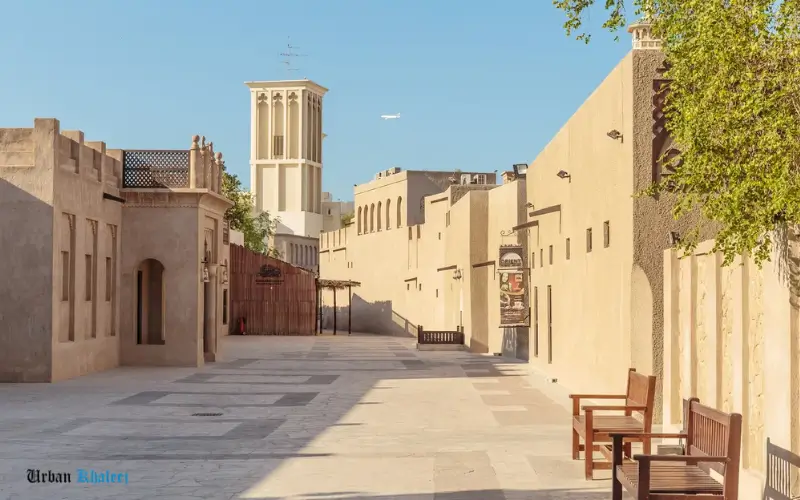
Dubai Old Village is an outstanding historic village that offers insight into the traditional Emirati way of life. This village is located in the centre of Dubai and features centuries-old buildings, including mud-brick houses, wind towers, and open-courtyard buildings, which illustrate the cleverness of early Emirati construction techniques.
The village is a central part of the heritage tourism in the city of Dubai, and it provides residents and tourists with an opportunity to enjoy the cultural diversity of the city beyond the modern skyscrapers. It is an active museum that is a mix of cultural narration and architectural conservation, and is a very interactive form of experience that brings the visitors into touch with the history of Dubai.
Why Visit Dubai Old Village?
The visit to Dubai Old Village is the only way to go back in time and experience the traditional Emirati lifestyle. It is very attractive to families, tourists, history lovers, and students who are interested in cultural education.
The village is not only a sightseeing attraction but also provides some information on the historical trades, family lifestyle, and social life of the past. This cultural authenticity and ease of access make it one of the primary destinations of any individual wishing to explore the heritage aspect of Dubai.
Location and Accessibility
Geographic Location
Dubai Old Village is also well placed close to Bur Dubai and the Al Bastakiya district. It is located near the famous Dubai Creek, which was historically used as a trading and business center. This is a prime tourist spot, and thus, visitors can easily use this central location to visit the village in conjunction with other historic places in Dubai.
Nearby Landmarks
Dubai Old Village is surrounded by several landmarks that make it culturally and tourism-wise interesting:
- Bastakiya Heritage Quarter – Provides more museums, art galleries, es and restored houses.
- Dubai Museum – It displays the history of the city from a small trading town to a modern metropolis.
- Traditional Souqs and Markets – There are local markets where people can buy spices, fabrics, and handcrafted products, and combine tradition with business.
Transport Options
The village is very well accessible through other means of transport:
- Metro and Bus – The nearest metro stations link the visitors of various regions of Dubai. Various bus lines pass by the village.
- Taxi and Ride – Hailing Services – Direct and convenient travel.
- Walking, it is also close to historical areas such as the Al Bastakiya, which enables scenic walking tours within the nearby sites.
Heritage and Cultural Significance
Traditional Architecture
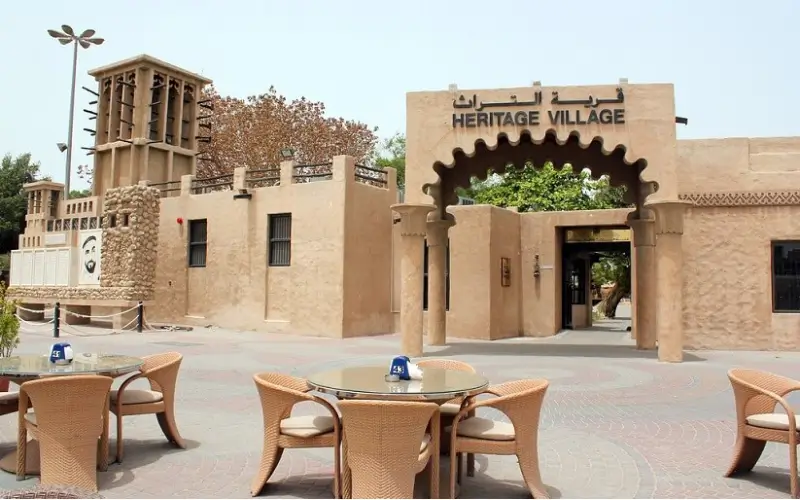
Dubai Old Village is also known to be an architectural masterpiece that consists of mud-brick construction, wind towers, and shaded courtyards. All these are indicators of sustainable building designs that have been designed to meet the needs of the hot and arid climate of Dubai.
The village also maintains the local construction methods, which belong to the Emirati architecture. An example of traditional ingenuity is wind towers,s which were primitive natural cooling systems.
Emirati Lifestyle
The village gives a clue to the everyday life of early Dubai inhabitants. Tourists are able to know more about the way of life in the family, the clothing, and the cultural rules that dictate social behavior. Traditionally, the village relied on fishing, pearl diving, agriculture,e and trade that shaped the village structure and community style of life.
Visitors can also experience cultural activities within a natural environment,nt and this is usually incorporated in the tourism programs as demonstrations of these traditional practices.
Historical Events and Stories
The Dubai Old Village has been associated with great events that have influenced the city’s development. Guided tours and cultural programs are used to share stories of former inhabitants, their professions, and the customs of the community.
The village hosts festivals and cultural events that provide an experiential learning experience, which is why it is a vibrant center for learning about the heritage of Dubai.
Must Visit: Al Boom Tourist Village Dubai
Shopping and Local Markets
Souqs and Traditional Crafts
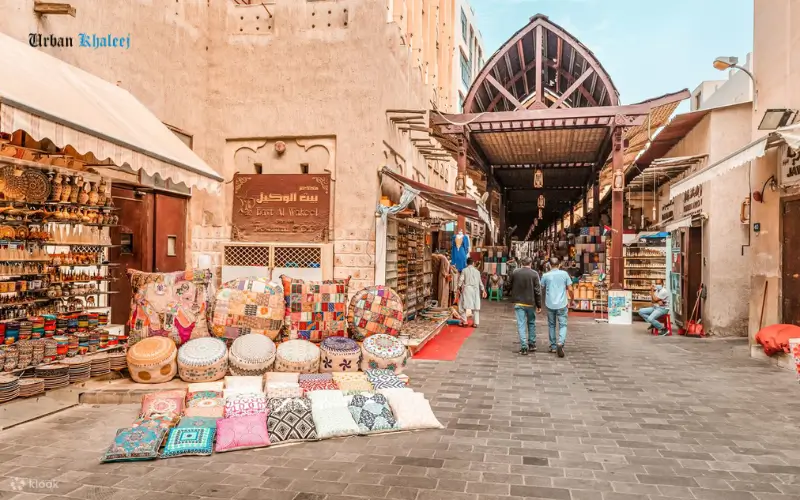
The village has souks and marketplaces that deal with traditional craft, pottery, textiles, and souvenirs. Local artists usually showcase their works, and this offers a visitor a hands-on cultural experience.
These markets not only promote local craftsmanship, but also enable tourists to buy genuine Emirati products, which make them meaningful souvenirs showing the heritage of the region.
Emirati Cuisine and Food Stalls
Street food stands and small restaurants enable visitors to enjoy the flavor of traditional Emirati cuisine. Snacks offered in the food are luqaimat (sweet dumplings), dates,s and freshly made drinks.
These food services are family-centric and offer a true flavor of local food, which is usually served in a heritage-themed environment that adds to the village experience.
Tourist-Friendly Shopping
Dubai Old Village is a combination of shopping and cultural education. Tourists are able to buy cheap souvenirs and culturally important products; hence,e their purchases are both useful and informative. One of the main priorities is authenticity, whereby the tourists leave Emirati heritage behind.
Dining and Food Experiences
Traditional Restaurants
Various restaurants and cafes are available in the village, with Emirati cuisine being served in the heritage-themed setting. These facilities tend to specialize in family-friendly meals and cultural presentations, which adds to the experience of the visitors.
The menu will offer such dishes as machboos (spiced rice with meat or fish), grilled seafood, and traditional Emirati desserts, which will fully immerse one in the Emirati culture through food.
Street Food Culture
Dubai Old Village Street food is not an ordinary meal, but a cultural experience. Food festivals and seasonal culinary activities enable tourists to observe the preparation of food using traditional methods. Fast foods like shawarma, kebabs, and Emirati sweets provide convenience and authenticity.
These experiences are usually accompanied by interactive demonstrations that allow visitors to learn the importance of every dish in the Emirati culture.
Activities and Experiences
Cultural Tours and Walks
Tours are a major part of the village, which will provide detailed explanations of the architecture, history,y and cultural practices in the village. The walking paths explore beautiful places, where tourists are able to take pictures of old buildings, courtyards, and the traditional wind towers.
These tours are aimed at tourists, students, and photography lovers who need to know more about the past of Dubai.
Workshops and Demonstrations
Dubai Old Village is a place that hosts interactive workshops and demonstrations. Tourists are allowed to practice traditional pottery, weaving, and Emirati cuisine. Children’s programs are especially effective, providing a practical method of teaching cultures.
Through such experiences, they make the village more than a visual attraction, but a place of engagement where culture is actively learned and applied.
Family and Educational Experiences
School trips and family visits are best in the village. These activities are cultural storytelling, traditional games, and interactive learning modules. Children will be able to take direct experiences to appreciate the Emirati heritage and traditions.
Such programs are good in instilling cultural awareness among the younger generations and also offer a good family visit.
Accessibility and Visitor Information
Opening Hours
Dubai Old Village exists all days and its hours fit both those who want to visit the place in the morning and capture a quiet environment, and those who want to visit it in the evening and explore the lights. The peak hours are normally during weekends and holidays.
Entry Fees and Tickets
The village usually provides lower prices for adults, children and families. School trips or large groups of visitors can also be offered discounts and the destination is therefore readily accessible to educational trips.
Parking and Facilities
The convenience of the visitors is also a priority and there are special parking lots, toilets, seats, and accessibility facilities that serve the elderly and the disabled. All guests are guaranteed a comfortable visit in these facilities.
Nearby Attractions
Bastakiya Heritage Quarter
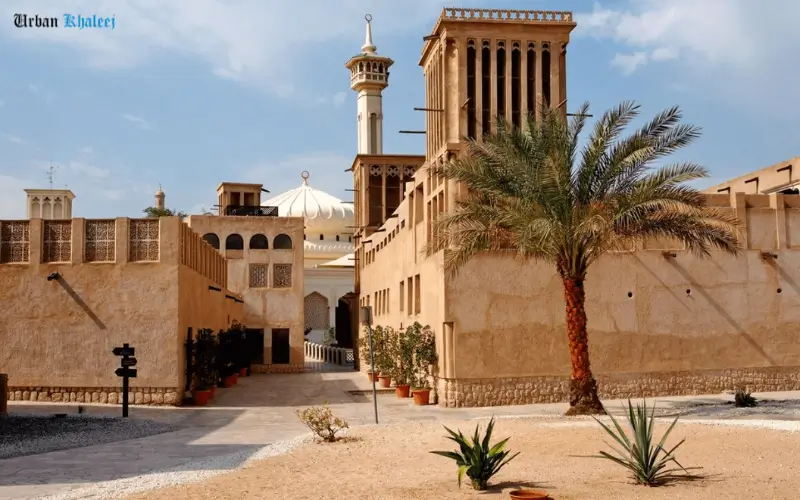
Bastakiya Heritage Quarter is within walking distance of the area, and it has more cultural experiences with museums, art galleries and old heritage houses. It goes hand in hand with a trip to the Dubai Old Village to widen the heritage discovery.
Dubai Creek
Dubai Creek offers an insight into the past as far as trading and fishing are concerned. Tourists are offered a chance to take boat tours using the traditional abras and get a breathtaking glimpse of the ancient waterways of the city.
Museums and Cultural Centers
There are important cultural sites, including the Dubai Museum and the Sheikh Saeed Al Maktoum House, within proximity. They provide additional information about the heritage of Dubai, which enables the visitor to combine various cultural experiences in the same itinerary.
Best Time to Visit
Seasonal Considerations
Dubai Old Village can be best visited during the cooler months between October and April. The time of year is good because it is not particularly hot like the summer months.
Time of Day
Morning tours are a calm and peaceful setting, ideal in terms of cultural discovery and photo-taking. Visiting during the evening is also more scenic with lighting that is particularly suitable when capturing old buildings and courtyards which add value to the visitor experience.
Why Dubai Old Village Stands Out
Unique Heritage Value
The village maintains the Emirati architecture, culture, and way of life. It is a true experience of the culture that cannot be easily imitated in the urban environment.
Ideal for Tourists and Residents
It is convenient, educational, and recreational, which makes it acceptable to both tourists and residents. The village has interesting things to do for families, students, and lovers of history.
Comparison with Other Heritage Sites
Dubai Old Village is a smaller and more personal experience when compared to larger heritage museums. Its emphasis on living culture – as opposed to lifeless exhibitions – offers a first-hand experience into the history of Dubai.
You Also Like this : Satwa Roundabout Dubai A Complete Location Transport and Lifestyle Guide 2026
Frequently Asked Questions
What is Dubai Old Village known for?
It is also known to preserve the traditional Emirati lifestyle, architecture, and culture that gives visitors a true heritage experience.
Where is the Dubai Old Village located?
It is situated in Dubai along Bur Dubai and Al Bastakiya near the Dubai Creek.
What can visitors do in the Dubai Old Village?
Tourists have an opportunity to visit ancient structures, purchase handicrafts, taste local cuisine, and attend cultural classes.
Is Dubai Old Village family-friendly?
Yes, it is perfect with families, school trips and educational tours.
How to reach Dubai Old Village?
Buses, taxis, or neighboring metro stations can be used by visitors.
What are the best visiting times?
Weekday mornings or cooler seasons in October to April are the most comfortable.