Fujairah fish market is a popular choice for those who are looking to buy fresh seafood that has been sourced from the coast. This market is sought after by buyers because it provides transparency, variety and confidence, which are difficult to find in packaged retail. The ability to inspect the fish personally is important for anyone who wants to buy seafood for their family or for business purposes.
This market is a direct link between the fishermen and the consumers. The fish are usually delivered early in the morning and often within a few hours after they have been caught. This short supply chain ensures that the quality and freshness of the fish are maintained. The early morning activity, the variety of species and the services offered make shopping for seafood easier. The market has evolved into a reliable resource for seasonal availability, fair pricing and the correct selection of fish.
Fujairah Fish Market: Understanding the market environment
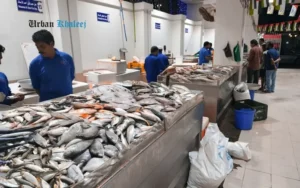
The market is a traditional, open-air trading area supported by a structured infrastructure. Vendors organize stalls according to category and offer different types of seafood and fish based on species, size and availability. This layout allows customers to easily move between stalls, without feeling rushed or confused.
The atmosphere changes continuously throughout the day. The early hours can be busy and competitive due to the restaurant buyers. Families and first-time shoppers prefer mid-day shopping because it is more relaxed. The cleanliness is evident, as ice storage and drainage are done properly, and regular sanitation helps maintain the quality of seafood and customer confidence.
Location Access and Surroundings
The location of the market along the coast is crucial to its efficiency. The proximity of fishing boats reduces transport time, while preserving the freshness. The roads leading to the Fish Market have been designed to be easy to navigate and there are parking spaces for both delivery vans and private vehicles.
Supporting businesses are located in the surrounding area, including spice shops, small food outlets, and vegetable shops. This allows the buyer to save time by completing multiple shopping requirements in one trip.
What types of seafood are available?
The variety of products available on the market is one of its strongest assets. While the availability of products varies depending on weather, season and regulations, buyers are usually able to find options that suit their cooking style.
Common Seafood Categories
| Seafood Category | Example | Usages Typical |
| Reef fish | Hammour, sheri, farsh | Grilling and curries |
| Pelagic fish | Kingfish, tuna | Fry steaks |
| Shellfish | Crab, shrimp | Rice dishes, grills |
| Cephalopods | Squid, cuttlefish | Stir-frying, stews |
| Small fish | Mixed varieties | Quick meals |
The price of each category is based on the size, quality, and supply. Vendors guide buyers about preparation and cooking methods.
What Pricing Means
Prices are not set and vary depending on several factors. Prices are affected by several factors, including the daily catch volume, restaurant demand, fish size and season. Early shoppers will usually get a better selection, while late shoppers can benefit from lower prices.
The culture of buying includes negotiation. Negotiation is common, especially for large purchases. Due to their established trust, regular buyers receive better prices.
Price influences on a typical basis
| Factor | Price Effects |
| Arrival time | Early hours are more expensive |
| Fish size | Larger fish priced higher |
| Seasonal supplies | Abundance lowers prices |
| Bulk Quantity | Better rates for volume |
Fish Cleaning and Preparation Services
On-site cleaning is one of the best features of the Fujairah Fish Market. Buyers can choose to have their fish scaled, gutted, filledeted, or portioned according to their requirements. This service is convenient and ensures the correct handling of fish.
To maintain hygiene, cleaning zones are kept separate from sales zones. The tools are regularly cleaned and the ice used to keep the fish fresh is kept in place until pick-up. It is particularly useful for households with busy schedules and visitors.
Wholesale vs. Retail Buying
Both commercial and individual buyers are served by the market. Retail buyers and restaurants arrive later to purchase the best seafood.
| Buyer Type | Main Focus | Visit Time |
| Wholesalers | Volume and consistency | Early morning |
| Retailers | Variety and advice | Mid-morning |
| Discounts for Buyers | Prices Reduced | Afternoon |
Shopping trips are more effective when shoppers know what they want to buy.
Best Time to Visit
The timing of your shopping is crucial. Early morning shopping offers the best selection and freshest seafood, since the fish are delivered directly from the fishing boats. Vendors also have a full stock. The mid-morning hours are generally more relaxed and comfortable for buyers, who want less crowds and to interact with the sellers. Prices may be lower, but vendors are trying to move their remaining stock. The weekends are usually busier because of family shoppers and restaurant buyers. A weekday visit can be more relaxing.
Seasonal Variations, Sustainability and
The availability of fish changes throughout the year because of breeding seasons and regulations for conservation. During protected periods, certain species may be restricted to ensure a long-term supply. These practices protect marine ecosystems, and help maintain balance.
Fish that is in season has a better flavor and value. Vendors inform customers about restrictions, and offer suitable alternatives. This helps them make informed choices.
Checks for hygiene, safety, and quality
Markets are regularly inspected by authorities to ensure that hygiene standards are met. Quality of ice used, the drainage systems and waste management is constantly monitored.
The simple indicators are utilized by consumers to verify freshness.
| Indicator | What to Check |
| Eyes | Clear and bright |
| Flesh | Springy and firm |
| Smell | A mild sea scent |
This decreases the chance of buying a poor-quality product.
Payment Methods & Practical Tips
Cash is the preferred method of payment for most seafood merchants, since it speeds up transactions as well as being more effective, particularly during high-volume periods. It is recommended to keep cash available since certain vendors accept payments via digital. But, this may differ with respect to the seller. Small notes are great to bargain, and they enable quick payments without the need to wait for changes.
It is strongly recommended to use insulated containers and cool containers for transportation during hot temperatures. It keeps the food fresh as well as at an acceptable temperature until you return home.
Tips for a better shopping experience
- Before you make a purchase make sure to visit and look around stand-bys.
- Check the quality and price before you buy.
- Vendors can give information on the freshness of their products, cooking techniques and the best usage of food items.
- If you can, purchase whole fish, as they can be more affordable.
- Make sure to arrive early for the most extensive choice.
These guidelines will allow you to make better choices to save money, and have a better shopping experience when you are looking for seafood.
Cultural Importance & Community Role
The Fujairah Fish Market is more than just a location to buy and sell, it’s a cultural space. Families, fishermen, and vendors are able to share their knowledge and experiences each day. The cooking methods, techniques of cooking, and the preferences that are handed over generations.
Through watching how food is prepared, cleaned and the negotiation process, visitors will gain a greater understanding of the local cuisine. The shopping experience is enriched through this interaction.
Compare with supermarkets
Supermarkets are convenient and have set prices that are ideal for quick shopping. Seafood is readily available and comes in a prepackaged package which makes it ideal for those who are short on time. The buyer has no control on their quality and size, or the cut style.
The traditional market for seafood offers more transparency. Buyers can select the exact cut and size of the fish, and also examine it in person. The quality is also easy to determine and the prices are more adaptable. A majority of families shop at the market stalls for seafood and groceries to purchase fresh foods as well as for special dinners.
Read Also: Al Karama Fish Market
Common mistakes made by buyers who are first-time
The price is usually the sole factor that visitors to the first time consider and does not take into account the quality. The cheapest option may be unwise in the event that you don’t verify the quality or freshness. The most common error is to purchase from the first shop, without looking at other options.
A lot of buyers do not know about the service of cleaning, unaware that it’s readily accessible. It’s worth taking an extra few minutes to look over, compare or ask questions.
What do restaurants do with the Market
Markets for seafood are a trusted supply of freshly caught seafood that is the same quality for restaurants. The markets are visited by chefs early to ensure they have the most fresh catch and to examine their seafood. Restaurants benefit from relationships that last for a long time to guarantee a steady supply. They also have a better knowledge of the availability during seasonal times.
Direct purchases help restaurants maintain the same menu and quality of food.
Storage and handling after Purchase
To preserve freshness and quality It is essential to properly store seafood after purchase. To avoid spoilage of fish It is crucial to ensure that the fish is kept cold immediately following purchase. This is particularly true during hot temperatures.
Tips on handling and storage
- Once you are back from the market, place your fish in a cool, dry place.
- Bags for transport that are insulated and ice packs
- Clean and prepare the fish immediately you arrive your home
- If you don’t plan to cook the fish on that day, then freeze it in a sealed airtight bag.
- Sealing is crucial to prevent the risk of freezer burn and loss of taste.
- Label your boxes with the purchase date to keep track of their storage time
These steps will allow you to keep the taste as well as the texture of your food and reduce food waste.
Economic Impact of the Region
Its economy is bolstered by the regular trade in markets for seafood, which include fishermen, vendors, traders, transporters and other businesses located in the area. The market’s daily activity ensures that the local supply of food remains in motion, which helps to support the economy of the region. Markets also attract visitors to local businesses and services.
Future Developments and Modernization
Better drainage, better waste management and clean layouts all enhance cleanliness and efficiency. The improvements that have been made to the market make it easier for shoppers but still maintain its traditional design. Modern advancements improve customer experience, and improve confidence.
Final Thoughts
Fujairah’s market for fish is a center for trade and commerce along with fresh seafood. If shoppers have the right details about timing, price and choices, they will get a pleasant and dependable shopping experience for seafood.
FAQs
Are seafoods from traditional markets more fresh than those in supermarkets?
Fish is usually delivered directly from the fishermen, with little storage time.
Can fish buyers ask for cleaning and cutting of the fish?
Most vendors provide cleaning and cutting after purchase.
Can you bargain in seafood markets?
Negotiation is often polite, particularly when buying in bulk.
When is the best time of year to visit?
The best selection and freshest food is usually available in the morning.
How can the freshness of food be easily checked?
You should look for firm, clear flesh and eyes. Also, a mild smell of the sea.
Is it normal for seafood markets to have seasonal restrictions?
Some fish species may be restricted during breeding seasons to ensure sustainability.