The Arab Cultural Club a platform for community members that was designed to raise awareness of, understanding, and appreciation of Arab culture, heritage, and beliefs. The goal of the club is to aid people in understanding cultural traditions in a respectful, straightforward manner, without any confusion or obstacles.
Today, in a world that is increasingly connected, people of different cultures are more in contact than ever. But understanding doesn’t happen by itself. It is a process of learning, dialogue, and shared experiences. Cultural platforms such as this aid in reducing miscommunications and building trust by providing truthful information and genuine exposure to the culture.
The goal of the club isn’t solely to preserve the past but also to show the cultural experience as something real and relevant to our daily lives. Through discussion, education, and participation in the community,y it creates a space in which people can discuss cultural diversity constructively and positively.
Understanding the Purpose of the Club
The club is intended to function as an educational space for cultural exchange rather than an institution. The focus of the club is to present Arab cultural traditions in a manner that is understandable and accessible to people from diverse backgrounds.
Cultural understanding is often misunderstood if it is only viewed through media or a limited amount of information. This platform aims to portray cultural experiences in a balanced, sensitive manner, while highlighting the importance of family bonding, hospitality, respect, and the responsibility of communities.
Instead of focusing solely on the past, the club will also explain how the traditions of culture are being practiced nowadays. This helps people understand cultural practices as a part of everyday living, not something that happened in the past.
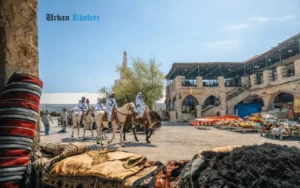
The Importance of Cultural Awareness
Cultural awareness plays a crucial role in building solid and peaceful societies. If people can understand the values and traditions of each other, communicating becomes much easier,r and conflicts are lessened.
Arab culture puts a lot of emphasis on kindness, respect,ct and social accountability. These values are communicated through discussions, storytelling, ing and actual examples, instead of merely formal instruction.
By bringing awareness to the issue and educating people, the club can help:
- Respect the cultural differences
- Enhance the cross-cultural communication
- Create meaningful social connections
This knowledge promotes peaceful interactions and collaboration within diverse communities.
Cultural Values and Social Traditions
Arab culture is profoundly rooted in values that define social behavior and the way people interact. Family bonds, respect for elders, and hospitality are essential elements of everyday life.
Hospitality is not viewed as an act of formality, but rather as a moral obligation. The guests are treated with kindness, compassion, and respect. Social gatherings typically show this through shared meals and conversation.
The relationships between families are highly valued. It is commonplace to make decisions by taking into account the well-being of the family, and elders are revered for their wisdom and experience. These traditions aid in maintaining strong family structures, as well as psychological support networks.
Language as a Cultural Element
Language plays a significant role in the preservation and expression of cultural values. Arabic is not just an instrument of communication, but is also an integral aspect of culture.
Through easy descriptions and introductions, students can be taught:
- Common words used in everyday life
- The cultural significance behind certain expressions
- The way language expresses values and beliefs
The objective is not to teach fluency, but to make people feel comfortable and comfortable with expressions of culture.
Food and Cultural Identity
Food is among the most inviting ways to be a part of the culture. In Arab tradition, ns food is often shared and symbolizes solidarity, generosity, and respect.
Traditional meals are often linked to the past geography and family traditions. Sharing food is a method to create bonds and an atmosphere of belonging.
Through learning about the food culture, people gain insight into the way that customs are passed down throughout the generations.
Community Activities and Engagement
Participation in community activities is a crucial aspect of cultural education. The club offers activities that promote discussions, participation, athe nd sharing of experiences.
These events could include discussions, cultural talks, and traditional awareness programs, and even informal gatherings. These events let people discuss their thoughts, ask questions, and exchange ideas instead of lectures.
This method can create an atmosphere where learning is easy and enjoyable.
Inclusivity and Openness
It is open to all from different backgrounds. Learning about culture shouldn’t be as exclusive or limiting.
The inclusion is maintained by:
- Encouraging respectful dialogue
- Beware of stereotypes and judgments.
- Inviting curiosity and asking inquiries
This frank approach makes people feel at ease and respected regardless of their ethnic background.
Educational Value
From an educational point of view, the Arab Culture Club offers an array of learning opportunities. Teachers, students, and even cultural lovers can get clear and accurate information about culture.
The focus is on real-world understanding, not academic complexity. This makes learning about culture accessible to a broader population and fosters curiosity throughout life.
Role in Modern Society
In today’s multi-cultural society, the ability to understand different cultures is vital. The reason for this is often insufficient knowledge or incorrect information.
Cultural platforms aid in addressing this gap by offering real insight and encouraging positive interaction. Through education and involvement, the club can contribute to the harmony of society and respect for each other.

Challenges and Responsibilities
The responsibility of representing culture is a part of the job. Respect, accuracy, and sensitivity are crucial in sharing knowledge about culture.
The club’s mission is to:
- Use information that is accurate and respectful.
- Beware of misrepresentations
- Engage in thoughtful discussion.
In keeping these principles in mind the trust and credibility of people will be built over time.
Future Vision
The future of the organization is focused on expansion, accessibility, and continuing learning. The expansion of reach via digital platforms could enable more people to access the knowledge of culture.
Long-term goals include fostering greater understanding of culture, promoting dialogue, and promoting peaceful coexistence through mutual understanding.
Read Also: JooTV UAE Complete Guide for Streaming Entertainment
Final Thoughts
Cultural understanding does not develop in a single day. It is developed through study conversations, discussions, and sharing experiences. Arab Culture Club represents a crucial step towards fostering understanding, respect, and a sense of connection between people of different cultures.
With its simple and accessible platform for learning about culture and sharing, the club helps to foster social harmony and meaningful interactions. In a world where the gap between cultures is still present, these initiatives are essential to building understanding and harmony.
FAQs
What is the primary objective of this organization?
The aim is to foster understanding and appreciation for Arab culture by educating and engaging in community activities.
Who can take part in the events?
Anyone who wants to learn more about the culture of their country can take part,t regardless of their background.
Does the club only focus on the past?
It includes both traditional heritage and contemporary cultural practices.
Is this platform appropriate for students as well as learners?
Yes, it is an easy and practical knowledge of culture that is suitable for all students.
What is the significance of cultural clubs these days?
They can help to reduce miscommunications, encourage respect, nd facilitate peaceful interaction between groups.