If the problem persists for an extended period of time, an irregular heart rhythm might require treatment. Doctors specializing in heart disease determine why and may prescribe medications or devices to regulate the heart rhythm. In some instances, a pacemaker or ICD is necessary to help keep the heart beating regularly and to minimize the chance of complications.
What Are Pacemakers and ICDs?
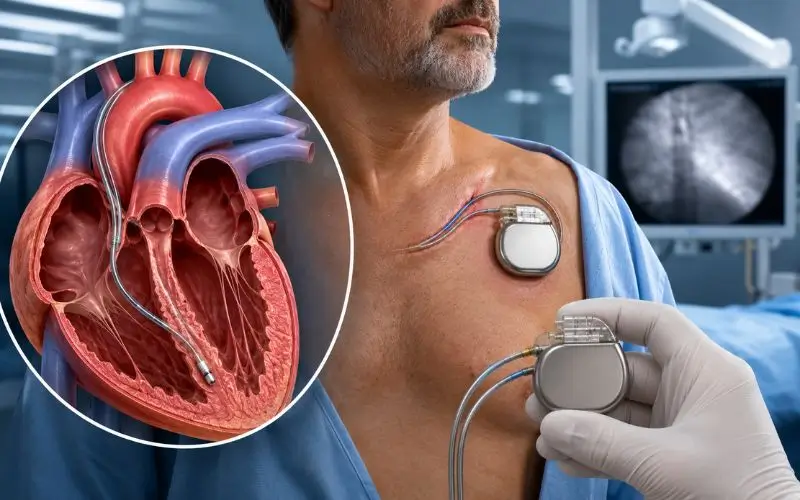
A pacemaker regulates the heart’s rhythm by sending an electrical impulse. An ICD, which is an implantable cardioverter-defibrillator, takes it one step further: constantly monitors heart rhythm and shocks the heart when a potentially life-threatening rhythm is detected.
- Slow heart rhythms (bradycardia) are treated with pacemakers.
- ICDs are used for treating life-threatening fast rhythms (ventricular tachycardia or ventricular fibrillation).
- A few devices have both functions included in a single implant
- They both reside under the skin, typically close to the collarbone.
Common Heart Rhythm Conditions Requiring a Pacemaker or ICD
These are recommended for several heart conditions by cardiologists. Such as:
- Abnormally slow heart rate (bradycardia)
- Heart block (disruption of the passage of electrical signals between the heart chambers)
- Ventricular tachycardia
- Ventricular fibrillation
- Failure of the heart to maintain a regular rhythm.
- Some inherited ARRs
There is a particular type of device and an individual implantation strategy for each condition.
When Should You See a Cardiologist for Rhythm Problems?
Some symptoms require immediate referral to the cardiologist:
- Passing out or almost passing out spells
- A dizziness or lightheaded feeling that just won’t go away
- A slow or irregular heart rate that is not normal for the person.
- Palpitations with shortness of breath (SOB)
- Weakness or fatigue so severe that it hinders an individual’s ability to go about their daily life.
- Family history of sudden cardiac arrest.
Early evaluation allows for the detection of rhythm disorders prior to the development of a cardiac emergency.
Diagnostic Tests Used Before Implantation
There are multiple tests that cardiologists use to confirm that a pacemaker or ICD is needed:
- ECG: Records the heart’s electrical signals when it is at rest.
- Holter Monitor: Measures heart rhythms for 24-48 hours
- Chest X-ray: Evaluates the size and shape of the heart and lungs
- Electrophysiology (EP) study: Identifies the electrical pathways in the heart
- Tilt table test: Looks for rhythm problems that cause dizziness.
These tests can determine if a device is needed and which one is appropriate for the patient.
Pacemaker and ICD Implantation: A Core Cardiac Treatment
Implantation is known and typically carried out beneath local anaesthetic:
- A tiny cut is made around the collarbone
- Leads (very thin wires) are inserted into a vein into the heart.
- The leads are inserted into the device under the skin,
- Marking and testing the device before closure of the incision
Most patients are awake, but sedated, and have little discomfort.
What Happens During the Procedure-H3
For patients, this is a shorter process than they initially might expect:
- This will take about an hour or two.
- Local anaesthetic will numb the area where the implant is going to be inserted.
- Monitoring of heart rhythm is done throughout
- The average length of hospital stay is one to two days.
- Normal activity should return in a few weeks.
The device is programmed by a cardiologist before it is discharged.
Choosing the Best Hospital in Dubai for Pacemaker and ICD Implantation
The hospital is important when it comes to implanting the device and follow-up care. If you are thinking of getting a pacemaker and ICD implantation in Dubai, you should consider:
- Well-trained electrophysiology and interventional cardiologists
- State-of-the-art catheterisation laboratories with live imaging.
- 24-hour emergency cardiac treatment for any complications associated with the rhythm.
- Surgical device follow-up clinics.
- Establish clear communication regarding the type of device, risk and recovery.
- Where possible, access to remote monitoring technology.
These are the attributes that a hospital needs to give patients confidence in the procedure and their long-term care.
Recovery and Long-Term Heart Health
Recovery is simple, but patients have to take some precautions to keep the device working properly over time:
- Steer clear of heavy lifting or a lot of arm movements for several weeks
- Go to all outlined device check-up appointments
- Report swelling, redness, or pain at the site of implantation
- Avoid use of a mobile phone near the device
- Seek medical attention as soon as possible if they faint or have palpitations again
Periodic device checks ensure battery life and settings throughout the years.
Conclusion
Irregular heartbeats can be treated effectively and are proven in cardiology. For those who require them, pacers and ICDs are used often. If you notice any of the symptoms of heart disease, like dizziness, heart palpitations, or unusual tiredness, it’s important to catch them early before any other complications can arise. Opting for the best cardiology hospital in Dubai ensures your heart gets the best treatment, as they have advanced facilities, experienced electrophysiologists, and a well-defined follow-up plan to maintain the heart’s health after the procedure.
Frequently Asked Questions
What is the difference between a pacemaker and an ICD?
A pacemaker treats a slow heart rate by delivering a steady stream of electrical pulses. If the heart is beating rapidly or in an irregular fashion, an ICD will detect the problem and send a shock to the heart if necessary. A few patients need a combination device that can do both of the above.
Is pacemaker or ICD implantation major surgery?
No. This is not open heart surgery, and is done with only a local anaesthetic. Patients typically leave the hospital after 1-2 days, and return to light work activities shortly thereafter.
How do I know if I need a pacemaker or ICD?
If tests like an ECG, Holter monitor,r or electrophysiology test reveal a serious rhythm disorder, your cardiologist will recommend a device. This is based on patients’ symptoms such as fainting or palpitations, along with test results.
How long does a pacemaker or ICD battery last?
The typical lifespan for an electrically powered device battery is 5 to 15 years, depending on the specific brand and application of the device. The battery is monitored during follow-up appointments and can be replaced if needed.
What should I look for in a hospital for pacemaker and ICD implantation in Dubai?
Seek out qualified electrophysiologists, cutting-edge catheterisation centres, available emergency cardiac services and follow-up clinics. These are the most important factors when performing the procedure, as well as for long-term management of the device.
Read Also: Al Ghurair Mall Dubai