Tripoli Street, Dubai Introduction
The Tripoli Street is among the most significant corridors in the eastern transport system of Dubai. It contributes significantly to the linking of residential neighborhoods and industrial and commercial districts. Tripoli Street is a main highway through which thousands of residents and daily commuters can travel to their homes, schools, business centers, and work.
The rapid development in Dubai has enhanced the demand for good road connectivity, ty and that is why Tripoli Street helps in the expansion as it provides road connectivity to various high-density neighborhoods and main highways. The road has, over the years, been developed into a very important part of the traffic route, which helps to reduce congestion on other routes besides enhancing movement in the city.
Tripoli Street, regardless of being used by personal cars, delivery, buses, or taxis, is a very important component of daily life in Dubai.
Location of Tripoli Street
Where Tripoli Street Is Located in Dubai
Tripoli Street is a street in Dubai that is situated in the eastern part of the city and traverses a few already developed residential and industrial areas. It serves as a linkage between inner-city communities and large highways leading to other regions of Dubai and other emirates.
The highway is located near the Dubai-Sharjah border, and thus plays a vital role for commuters who can be travelling between the two emirates. It has a good location that enables easy access to residential areas and business districts.
Areas and Communities Connected by Tripoli Street
Tripoli Street also links a large variety of people; consequently, it is a very busy urban road. These are Al Qusais, Muhaisnah, Al Twar, Al Warqa, Mirdif, and the surrounding International City. A good number of these neighborhoods are inhabited by families, professionals, and workers who use the road every day.
Another industry reliant on the efficient use of roads is the industrial spaces around the road, where warehouses, logistics firms, and other service providers are located and rely on the road.
Nearby Landmarks
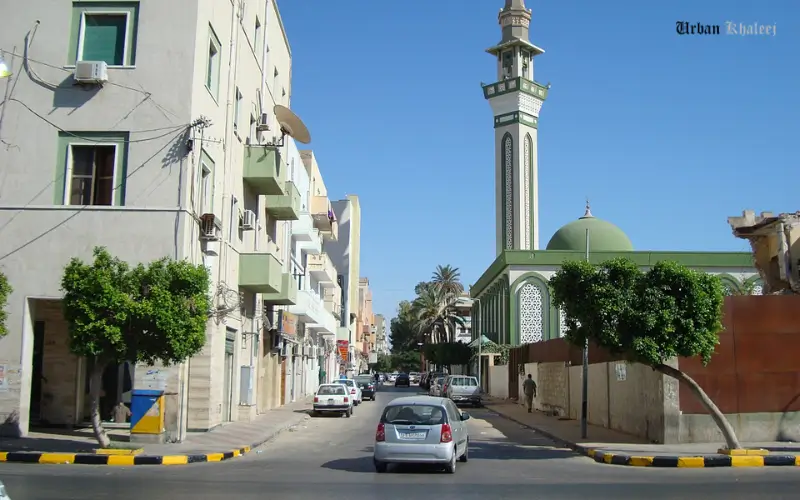
The Tripoli Street is situated in the areas of industrial complexes, residential areas, and commercial services. It also connects to the nearby highways, which are directed to Ras Al Khor, Emirates Road, and Sheikh Mohammed Bin Zayed Road. These links enhance its role as a feeder and distributor line in the road network of Dubai.
Road Structure and Design
Lane Configuration and Road Capacity
The streets of Tripoliares are planned to bear heavy flows of traffic. It has several lanes per direction in most of the parts, which helps in facilitating traffic flow during peak times. The broad road network accommodates light motor vehicles as well as transportation trucks.
Lane markings, directional signs, and road dividers are used to control traffic and provide better safety to the drivers.
Intersections, Bridges, and Flyovers
It has a number of intersections with local roads and feeder streets on Tripoli Street. Major junctions have traffic lights that regulate traffic movement and also decrease congestion.
Flyovers and road connections along the highways between Tripoli Street and faster routes ensure the ease of movement of vehicles that travel between them without necessarily stopping.
Pedestrian and Cycling Considerations
Though Tripoli Street is largely car-oriented, there are pedestrian crossings that are offered along residential and business precincts. In most areas, there are footpaths,s and people can walk without any problems in areas where they need to go to bus stops or buildings.
There is a lack of cycling infrastructure since the road mostly caters to motorised traffic.
Connectivity With Major Roads and Highways
Connection to Sheikh Mohammed Bin Zayed Road
The Tripoli Street can be connected to the Sheikh Mohammed Bin Zayed Road, and it is one of its most significant features. The highway is one of the key routes connecting Dubai to Sharjah, Ajman, and the other emirates.
Tripoli Street has been a feeder road, and it effectively spreads the traffic coming out of the residential areas onto this highway.
Access to Emirates Road and Ras Al Khor Road
Tripoli Streett links with the Emirates Road and Ras Al Khor Road indirectly as well. These roads have access to industrial areas, logistic hubs, and long-distance road networks.
This network facilitates business transit and allows alleviating congestion in Dubai city.
Alternative Routes Linked to Tripoli Street
There are other parallel and connecting roads with alternative ways of travelling. These paths come in handy in the peak hours or when roads are being repaired. These alternatives are usually recommended by navigation apps to ensure that the drivers are not stuck in traffic.
Traffic Conditions on Tripoli Street
Peak Hours and Congestion Patterns.
Traffic congestion on Tripoli Street isat its worst during weekday mornings and evenings. Congestion in the morning is normally experienced in movements directed towards business districts by residents and in the evening, during commuting to homes.
Traffic on the road is also affected by school schedules, working schedules in offices, and shifts in industries.
Common Traffic Challenges
During rush hours, congestion occurs at intersections, merging lanes, and exits of highways. There are also other times of the day when the heavy vehicles in the industrial areas will cause people to slow down in the traffic.
Such difficulties notwithstanding, the traffic movement is not problematic because of the width of the roads and the control of signalization.
Best Time to Travel on Tripoli Street
Late mornings, early afternoons, and late evenings are off-peak times when travel is smoother. It is possible to plan trips during the non-rush hours to greatly decrease the time it takes to get there.
Speed Limits and Traffic Regulations
Posted Speed Limits
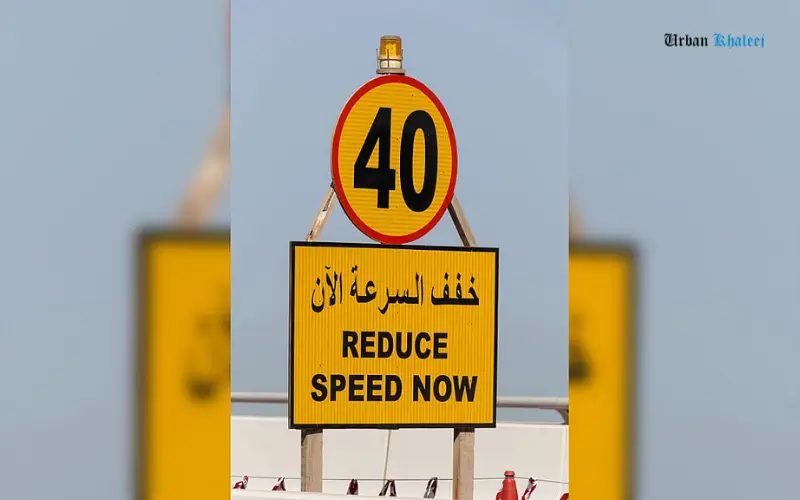
The Tripoli Street has different speed limits, depending on the area. Speed limits are set in cities to make them safe, particularly where people live and at crossroads.
Drivers ought to be obedient to the signs that are posted because speed cameras will observe obedience.
Traffic Monitoring and Cameras
The smart traffic control system of Dubai has speed cameras and monitoring cameras on Tripoli Street. These systems contribute to the minimization of accidents and the promotion of disciplined driving.
Road Safety Rules for Drivers
When driving on Tripoli Street, it is necessary to have lane discipline, safe following distances, and signal compliance. The drivers are to be on their min, ds particularly in the peak ho, urs where there is high density.
Public Transportation Along Tripoli Street
Bus Routes Serving Tripoli Street
Several RTA buses are running through or closethe Tripoli Street. These buses offer a cheap transport service to the residents and workers who do not have their own personal vehicles.
Bus stops are situated close to residential and commercial areas so as to be accessible.
Nearby Metro Stations
Tripoli Street is not served by the metro on its line; however, the closest metro stations on the Green Line and the Red Line are reachable with the help of the feeder buses or with a short drive. This multimodal transport is supported by this integration.
Last-Mile Transport Options
The streets of Tripolihaves a lot of taxi and ride-hailing services. These alternatives serve to close the distance between the public transportation points and the ultimate destinations.
Residential and Commercial Importance
Role in Residential Mobility
Tripoli aAvenueaccommodates the daily commuters of thousands of people residing in the communities surrounding it. The road is vital in day-to-day activities because of easy access to schools, shopping places, and workplaces.
Business and Industrial Access
Numerous warehouses, workshops, and service centers rely on the Tripoli Street in terms of transport and logistics. The road enablesthe transportation of goods in and out of the industrial areas and commercial markets efficiently.
Impact on Property Development
Development of the residential and business neighboring areas has become more appealing due to the good road network. As of Tripoli Street, the real estate development remains steady in other areas that are linked to it.
Tripoli Street and Daily Commuting
Office and Industrial Workforce Movement
The road sustains high amounts of commuter traffic, particularly in the morning and evening hours during the week days. Offices and industrial employees are dependent on it to make their travels on time.
School and College Traffic
The presence of school zones in and around the Tripoli Street causes short-term congestion during the morning drop-off and afternoon pick-ups. Traffic management assists in expenditures during such times.
Road Safety and Accident Management
Accident-Prone Areas
Crossings and meeting points are more susceptible to accidents of minor impact, especially at peak hours. Risk reduction is achieved through awareness and cautious driving.
Emergency Response and Support
The responders to incidents on Tripoli Street are fast and timely, as evidenced by the police in charge of Dubai traffic and emergency. Efficient recovery and restoration of traffic is allowed by clear access to roads.
Future Development and Infrastructure Upgrades
Planned Road Improvements
The Roads and Transport Authority of Dubai is still working on the improvement of road infrastructure. Additional upgrades may be made in the future by designing better junctions, enhancing the quality of signals, and widening the road where necessary.
Smart Traffic Enhancements
This is supposed to be enhanced by the advanced signal systems and real-time traffic monitoring, which will even enhance the traffic flow and alleviate congestion.
Travel Tips for Using Tripoli Street
Tips for Avoiding Traffic
Outside of the peak hours, use of navigation applications and alternative routes can save time. It is also useful to keep up with the road conditions.
Navigation and Real-Time Updates
The use of navigation applications makes travelling less stressful by giving live traffic information, accident warnings, and route recommendations.
Conclusion
Tripoli Street is a strategic street in the Dubai transport system. Its strategic position, high connectivity, and contribution to residential and industrial mobility make it indispensable for day-to-day commuting and business purposes. The Tripoli Street will continue to be a significant roadway that will contribute to the growth of Dubai and its economy.
Tripoli Street provides convenient access, flexibility, and connectivity to other streets of eastern Dubai, and, therefore, it is one of the main components of the road systems of the city.
Frequently Asked Questions
Where is Tripoli Street located in Dubai
Tripoli Street is in the east of Dubai, and it links residential and industrial regions close to the Dubai-Sharjah border.
What are the places interconnected by Tripoli Street?
It links Al Qusais, Muhaisnah, Al Twar, Al Warqa, Mirdif, and its surrounding areas.
Is it busy in the peak hours on Tripoli Street?
Yes, it is congested at mornings and evenings.
Does Tripoli Street have access to major highways?
Yes, it is interconnected with Sheikh Mohammed Bin Zayed Road, as well as with other major roads.
Is Tripoli Street a good place to commute daily?
Yes, it is common among commuters and does not fail to accommodate heavy traffic.