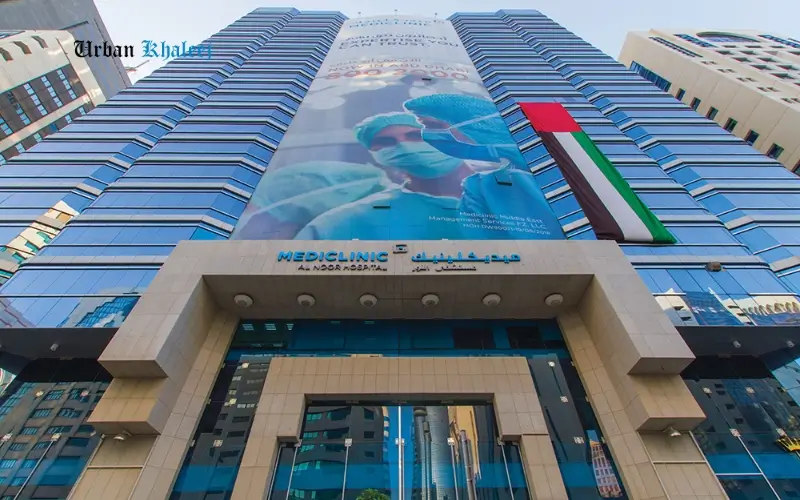
The decision to choose a hospital isn’t solely about its location or name; it’s about knowing how healthcare is provided and what services are offered and how well patients are assisted during visits to the doctor. Mediclinic Al Noor Hospital is recognized as a multi-department health facility that patients use to receive consultations, diagnosis, treatment, and emergency services. Patients usually seek out precise information prior to going to hospitals, particularly when it involves family members elderly patients, elderly patients, or urgent medical requirements.
It provides information on the services offered by hospital, doctor availability, emergency handling, access to ambulances, inpatient treatment, and all other services in a structured and understandable manner. The aim is not to promote however, but to provide clarity. Each section is intended to address common questions asked by patients so that patients feel confident and well-prepared before they visit the hospital.
Hospital Overview and Care Philosophy
Hospitals are structured environments where various medical services are able to operate in conjunction under controlled systems. The general idea behind a hospital such as Mediclinic Al Noor Hospital is focused on coordinating patient care, security, and continuity. Instead of focusing solely on one-service treatment, the hospital model integrates consulting, diagnosis, and follow-up care into one unit.
This method assists patients in avoiding unnecessary transfers between different facilities. This also allows doctors and personnel supporting them to collaborate effectively, making sure the medical decision-making process is taken by using all the information available to patients. The hospital’s setting is designed to provide medical efficiency and patient comfort that is crucial for both shorter visits and longer hospital stays.
Departments and Medical Specialties
A hospital that is full-service is identified by the number of departments it has available. Different specialties enable patients to get comprehensive treatment without the delays due to referrals to outside hospitals.
The typical medical department includes:
- Medicines for internal and general use
- Surgical departments
- Family and pediatric units
- Lab services, diagnostics and imaging
- Clinics that specialize in outpatients
Each department works within established guidelines and schedules, making sure that the patient’s care is uniform and well-coordinated across all the various services.
Doctor Availability and Consultation Timings
Doctor availability is among the primary concerns of patients. The schedules of doctors in hospitals are usually according to departmental demands, demand for outpatients, and emergency care.
Important points regarding timings for doctors:
- Outpatient consultations generally are scheduled on a daily basis.
- Specialist clinics can operate on certain days or times slots.
- Visits to follow-up appointments are usually scheduled ahead of time
- Emergency doctors are on hand round all hours of the day.
Patients are advised to verify availability of their doctor through appointments systems or at reception counters to cut down on waiting times and to ensure prompt consultation.
Hospital Operating Hours
Hospitals have extended hours as opposed to clinics. While outpatient services can follow specific timings, hospital core operations are uninterrupted.
A typical hospital time structure:
- Outpatient departments: daytime hours
- Diagnostics services: longer coverage during the day.
- Support for patients: 24 hours a day.
- Emergency services: Continuous operation
This arrangement guarantees that patients will have access to medical attention whenever they need it, particularly in emergency situations.
Emergency Department and Urgent Care Handling
Emergency departments are created to deal with life-threatening emergencies. They operate in isolation from the outpatient program and are staffed by qualified emergency personnel.
The emergency care options include:
- Rapid assessment of the patient
- Immediate stabilization procedures
- Specialists on call for urgent instances
- Priority-based treatment system
This system makes sure that patients suffering from severe conditions receive treatment immediately.
Ambulance Services and Emergency Contact Support
Access to ambulances plays an essential part in the emergency response. Mediclinic Al Noor Hospital collaborate with emergency transportation services to take care of patients efficiently and safely.
The most important aspects of support for ambulances:
- Access to emergency exits directly
- Coordination with medical emergency teams
- Rapid exchange of patient data
- Always available
Hospitals usually have emergency numbers prominently displayed to ensure that families and patients are aware of how to get immediate help in the event of need.
Patient Registration and Admission Process
Effective registration systems aid hospitals to control patient flow and keep precise records of patients. Registration is often the initial step prior to consultations, diagnosis or admissions.
The process of registration generally is comprised of:
- Basic information and identity collection
- Medical history records
- Payment verification or insurance
- Admission confirmation or appointment
In the case of patients admitted, the process continues with the room assignment and nursing evaluation.
Inpatient Care and Room Facilities
Inpatient care is provided to patients who require supervision or treatment for extended time. The hospital spaces are crafted to combine the need for medical supervision and a sense of comfort.
Common features of an inpatient comprise:
- Rooms that are monitored and clean
- Nurse staff are available
- Time-controlled visits
- Support services to meet the needs of patients
This setting helps patients recover while also ensuring medical supervision.
Diagnostic Services and Medical Testing
Diagnostics are crucial for precise treatment planning. Hospitals generally offer the services of imaging and laboratory within the same building.
The benefits of diagnostics in-house:
- Test results faster
- Improved coordination between doctors and technicians
- Reduction in the need for referrals from outside
Diagnostic tests are incorporated into the patient’s records, enabling informed medical decision-making.
Hygiene, Safety, and Infection Control
Hospitals follow strict hygiene standards to safeguard staff, patients and other visitors. The cleanliness is controlled through routine processes and security guidelines.
Essential hygiene practices include:
- Cleaning up the rooms regularly and equipment
- Protocols to control infections
- Secure waste disposal systems for garbage
- Safety standards for staff compliance
These measures ensure an environment that is safe for treatment.
Patient Support Services and Facilities
In addition to medical care, hospitals also offer assistance services to improve the overall experience for patients.
Support facilities usually consist of:
- Areas for waiting with seating
- Access to pharmacies
- A clear signpost to help navigate
- Assistance desks for guidance
These services relieve stress and aid in moving patients through the hospital with ease.
Communication and Patient Experience
Communication is crucial in the field of healthcare. Hospitals concentrate on explaining the procedure as well as waiting times and the next steps to the patients and their families.
Positive patient experiences are supported by:
- Staff members are clear on their instructions.
- Transparent processes
- Respectful interactions
- Access to information
A good communication system builds trust and enhances the trust of patients.
Comparison Between Hospitals and Clinics
Hospitals are different from clinics in their scope and size. Clinics are primarily focused on consultations with outpatients, whereas hospitals handle diagnostics, surgeries admissions, emergencies, and other procedures.
Hospital benefits are:
- Health insurance coverage for the whole family.
- Medical and emergency support
- Inpatient facilities
- Advanced diagnostics
Hospitals are therefore ideally suited to all of your healthcare needs.
Hospital Services Overview Table
| Service Area | Availability |
| Outpatient Consultations | Scheduled |
| Specialist Clinics | Department-based |
| Emergency Care | 24-hour |
| Ambulance Access | Continuous |
| Inpatient Rooms | Available |
| Diagnostic Testing | On-site |
Long-Term Role in Community Healthcare
Hospitals play a role for the long term in the management of health by assisting the process of prevention, diagnosis and recuperation. Their systems of structure allow continuous care for patients over the course of the course of.
Facilities such as Mediclinical Al Noor Hospital continue to be relevant due to their focus on delivering stable healthcare rather than focusing on short-term developments. Patients return to the hospital when security, reliability and standards of professionalism are maintained consistently.
Overall Patient Journey
From initial arrival to discharge the patient’s journey is designed to be well-organized and helpful. Each step–registration, consultation, treatment, and follow-up–contributes to overall care quality.
A consistent approach to these steps can help patients feel comfortable and knowledgeable throughout their experience with a doctor.
Read Also: How to Get an MRN Number in Dubai
Conclusion
This article provides a thorough and detailed explanation of The Mediclinic Al Noor Hospital explaining departments, doctor times and hours at the hospital ambulance services, emergency care Inpatient facilities, patients’ support services. The focus is on clarity of structure and patients’ needs, not on promotion. If you are looking for dependable healthcare in a hospital environment that is comprehensive and organized , the hospital environment plays an important role in daily and emergency medical care.
FAQs
Does the hospital offer emergency services?
Yes, emergency services are accessible 24/7.
Are doctors available daily?
Outpatient doctors adhere to scheduled times and emergency physicians are available at all times.
Are ambulances available?
Emergency access and ambulance coordination are readily available.
Does the hospital provide Inpatient care?
Yes, inpatient facilities and nursing care is provided.
Are diagnostic tests done on-site?
Yes, laboratory and imaging services are a part of the hospital’s services.