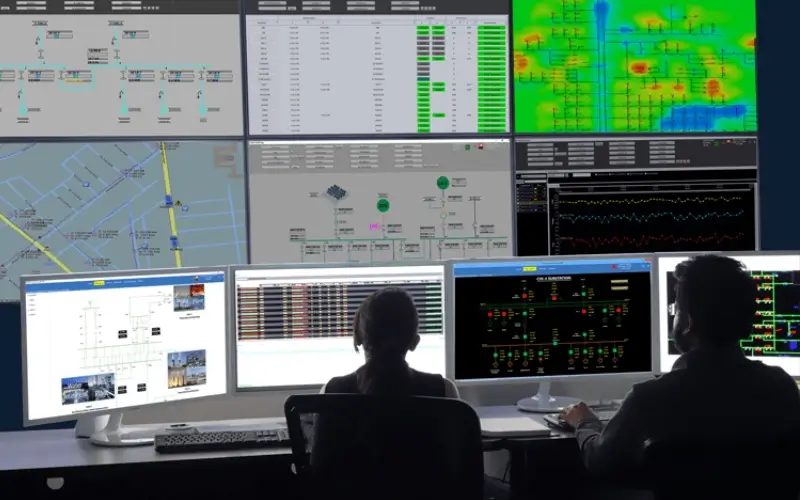
In the energy transition of the present generation, the connection between an individual facility and utility grid has grown more complicated. The grid is no longer only an artificially passive power source; it is a highly controlled ecosystem, requiring strict compliance with technical protocols. In the case of the developers of industrial plants, the renewable energy parks, and large-scale infrastructure, the only most significant technical barrier to being operational is the compliance with the Grid Code. The technical requirements that establish specifications which a facility should follow to be connected to the public network are the grid codes. These codes are necessary because new connections can cause the grid to become unstable, introduce problems with the quality of power to other users or can result in cascading blackout. these requirements requires a blend of high-level electrical engineering consultancy and rigorous project leadership.
The Growing Complexity of Grid Codes
With tradition grid codes were fairly straightforward, and concerned only basic safety and voltage levels. The emergence of decentralized energy, however, i.e. solar farms and battery storage, has compelled utilities to require much stricter conditions. Modern grid codes now cover:
Fault Ride-Through (FRT): The ability of a facility to remain connected during a momentary grid disturbance.
Reactive Power Control: Ensuring the facility can support grid voltage by absorbing or injecting reactive power as needed.
Frequency Response: The requirement for a plant to adjust its output to help balance the grid’s frequency.
Harmonic Limits: Strict thresholds for electrical “noise” to prevent interference with other users.
The Role of Leadership in Compliance
Compliance cannot be a task that can be dealt with at the very end of a project. It has to be integrated in the DNA of the project even at the feasibility stage. This is the primary responsibility of Project Lead Engineering & Management.
The lead engineer is the communication channel between the owner of the project and the utility (DEWA, ADDC or National grid). They make sure that the equipment under purchase, whether it is huge inverters, prime transformers, etc., have the required certifications and controls to comply with the local grid code. In the absence of such centralized technical control, the projects are usually denied any connection and deadlines are met with large losses in terms of time and money with equipment being outfitted or substituted at the last possible moment.
Simulation: The Only Path to Approval
Compliance in the UAE and GCC
The grid codes in the Middle East have been among the most progressive around the world as a result of the rush to industrialization and the Net Zero targets. Organizations that are connected to the grid have to work around certain regional conditions that consider high ambient temperatures and the rapid addition of large solar PV systems. Local experience would be critical to guarantee that the design is right the first time to the local utility operator.
Conclusion
The connection between a private investment and the public utility is through Grid Code Compliance. It is a strict procedure which guarantees the communal soundness of our energy networks. The developers could sail these turbulent regulatory seas by using the services of sound electrical engineering consultancy and strong leadership in the project, so that their projects are energized and the project is able to be a good citizen of the grid.
Read Also: Mwaheb Management LLC
Frequently Asked Questions
What is the difference between a Standard and a Grid Code?
Engineering standards (such as IEC) stipulates the construction of a piece of equipment. A grid code stipulates the actions of a facility when it is connected to the network. Grid code compliance is typically a requirement of compliance with IEC standards.
What will follow a failure of a project to comply with the grid code?
The utility company will decline to power the connection. This may lead to a finished facility lying dormant for several months as costly remedial actions are undertaken that will wreak havoc on the wallet of the developer.
What is the reason behind the tightening of grid codes of renewable energy projects?
Since renewables involve the use of inverters which have no physical inertia as the traditional spinning generators. These projects are needed by utilities to achieve the simulation of traditional power plants by offering the so-called synthetic inertia, and active control of power.
Are there any new grid codes that can impact an existing facility?
In most cases, existing connections are grandfathered. But, in the cases where the facility is significantly expanded or upgraded, the utility might need the whole site to be taken to the current standards of the grid code.
What is the duration of the compliance process?
It can be completed in 6 to 12 months, which involves modeling, submission, and utility review. This process is important to initiate at the initial design stage of the project.