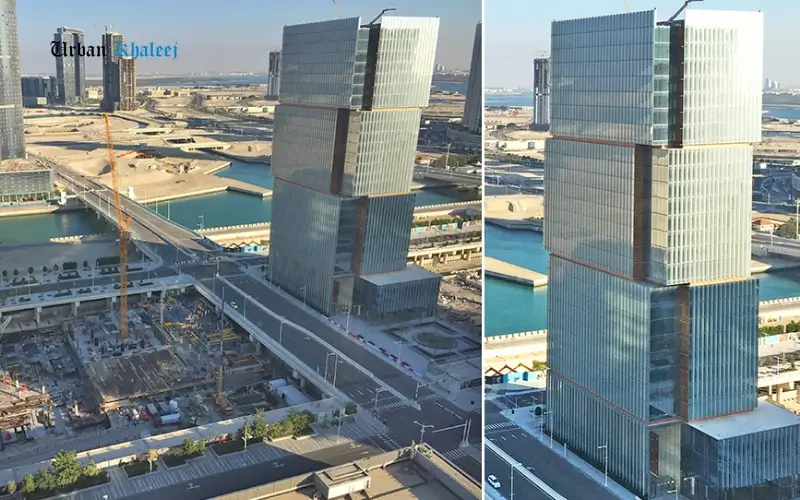
Physical infrastructure at a financial institution plays an important role in influencing the public’s confidence and trust. The building of a bank isn’t just a location to deposit money, withdraw money or transactions, it is a symbol of stability, discipline and long-term commitment of the institution. In the financial market environment there is a tendency for people to develop opinions before even engaging with a service. Al Hilal Bank Building is a reflection of this by blending professionalism, structure and operational clarity in an unified atmosphere.
Modern banking isn’t measured solely on speed of service or the variety of products. Customers, corporate partners and investors are looking for the sameness as well as security and a professional setting. The physical environment in which financial services are provided can affect confidence on a mental level. This is the reason why infrastructure for banking is today regarded as an asset of reputation, not simply a requirement for functionality.
Importance of Physical Infrastructure in Banking
Trust is the base of banking. Financial institutions are responsible for sensitive data, savings and long-term investment. Customers require visible proof they are safe. A well-planned bank building can provide this assurance instantly thanks to its design, structure and upkeep. A strong infrastructure can also indicate the permanence of the institution. Banks will be operating for decades, not just temporarily.
Their buildings should therefore reflect long-term viability and stability. If people see a professionally designed and maintained structure, they are able to associate it with financial stability and ethical management. Infrastructure is also a key factor in operational efficiency. A structure that is designed around banking workflows permits the services to operate smoothly even in peak hours. The equilibrium between perception and performance is a key asset.

Purpose and Institutional Role of Al Hilal Bank Building
Each bank’s building has a specific institutional goal. It should support safe everyday operations and reinforce the identity of the bank within its surroundings. The building of the bank is designed to function as a financial institution where the functional and architectural elements work with the requirements of institutions.
Its function goes beyond the routine transactions. If a financial institution has an established physical presence it affects the way in which the surrounding region grows. Professional services and a structured commercial operation gradually establish the surroundings. Businesses are more likely to work with financially stable establishments, and this naturally boosts the commercial profile of the region.
Important institutional roles include:
- Banking operations that are secure and well-organized. operations
- Establishing long-term professional presence
- Inspiring confidence in the clients and other the other parties
Due to these functions the banks’ buildings are frequently the focal point in commercial districts.
Architectural Vision and Structural Planning
Modern banking architecture focuses on the importance of balance, authority and long-term ability to last. Instead of embellishing the appearance the designers concentrate on clear designs, efficient proportions and materials that communicate power. This ensures that the structure is dependable and relevant throughout time.
A bank structure has to appear reliable today, but also provide confidence in the future. Designs that are trend-driven could become outdated and unrestrained architecture can be of long-term benefits. The exterior conveys professionalism and stability, which increases the trust of institutions.
Read Also: Hafilat Card Balance Check in Abu Dhabi
Interior planning is based on the same rigors of planning. Spaces are planned to ensure security, transparency and efficiency. Public areas are easily accessible but secured, and the internal zones are designed to support specific operations. A structured plan is vital for safety and service quality.
Interior Layout and Operational Efficiency
Efficiency in operations depends on the internal layout. Banking environments ensure the flow of customers in a steady manner while maintaining confidentiality and precision. The use of logical layouts can make it easier for staff to be more efficient.
The well-designed interiors help customers find services quickly. Clean counters, clearly defined areas for waiting, and flowing circulation pathways minimize stress and wait time. Employees benefit from a focused workspace which promotes productivity and security.
The most important layout considerations are:
- Separation of public service areas and work zones within the internal
- Flexible routes to move people during peak hours for management
- Spaces specifically designed for precision and discretion
In time, these factors enhance service reliability and increase customer satisfaction.
Strategic Location and Urban Accessibility
The location of the bank is an important aspect of the effectiveness of banks. Accessibility influences convenience, while the visibility of a bank affects trust and recognition. The building of the bank is located in a professional urban setting where both help in daily operations.
Established commercial areas provide strong transport connectivity, as well as close access in the field of professional assistance. This improves the interaction between businesses and helps integrate banking services in the daily routine of professional life. The location of a bank is an integral part of the normal flow of business activities.
Impact on the Surrounding Business Environment
The banks are frequently an anchor for the professional world. In time the law firms, accounting offices, consulting agencies, corporate services and other companies are able to develop close. Financial services are a part of the neighborhood that is close to these firms, and banks benefit from the increase in professional traffic.
This creates a standardized environment in which businesses can support each other. Customers gain convenience through access to numerous services from one place. A stable financial institution is a reassurance to investors and entrepreneurs, promoting long-term plans.
Thanks to this dynamic the al hilal bank building is not just used for bank operations, but also to the economic vitality of the surrounding area.
Infrastructure Strength and Operational Reliability
A reliable infrastructure is vital for continuous banking efficiency. Financial services are not able to tolerate frequent interruptions since even the smallest of interruptions could affect the trust of customers. Systems that are robust and reliable ensure stability.
Priorities for core infrastructure include:
- Surveillance and security to guard the privacy of data and people
- Power availability is always available.
- Regular maintenance and management of the facility
They are often in a way that is not noticed when working properly However, they are essential in maintaining confidence. Stability allows staff to concentrate on the quality of service while making sure customers receive the same level of service.
Read Also: NBAD Balance Check
Professional Image and Brand Credibility
A banking facility communicates powerful messages with no words. If customers are in a formal and professional setting impressions of seriousness and reliability are immediately created. The impressions affect how the services are perceived.
In time the physical surroundings become connected to the brand’s identity. Al Hilal Bank Building therefore is a brand asset, strengthening the authority of institutions and establishing long-term trust. In the world of banking where relationships depend on trust, this quiet communication is vital.

Commercial Investment Value and Long-Term Stability
From a real estate standpoint the banks are stable assets. Banks typically have long-term commitments that ensure consistent occupancy and predictable growth in value. This stability is attractive to investors looking for stability. The demand for infrastructure to support banking remains steady due to the fact that financial services are crucial. Even during economic fluctuations, banks continue operating. Value appreciation is gradual and moderate risk levels make these properties ideal for long-term investment strategies. Because of this, the bank building in hilal has a strong commercial value for investors.
Future Readiness and Sustainable Relevance
Banking is constantly evolving as technology advances and customers’ expectations. However, the physical infrastructure remains vital. Modern banks are built with flexibility in mind. Flexible layouts can be reconfigured as the needs of the business evolve. Flexible systems can accommodate future expansion without massive structural modifications. This ensures that the building’s value and does not become obsolete. Sustainable relevance safeguards both the institution’s identity and the commercial value that it holds over time.
Read Also: Hala Building
Conclusion
The al hilal bank building is an innovative benchmark in the banking infrastructure, where professionalism, trust and operational strength are a perfect match. Its architecture clarity, strategic location and dependable infrastructure establish its building in a position that is more just a transactional location. In a market where perceptions are a significant factor in decisions, the infrastructure can provide long-term value. It helps clients, improves firms, and helps reassure investors. The building is viewed as a symbol for stability, trust, reliability, and the long-term commitment of the modern world of banking.
Frequently Asked Questions
Is this building only used to conduct banking operations?
Its main function is banking; however, it also helps to support the professional community in general.
What is the impact of design on the confidence of clients?
A professional and well-organized environment creates trust even before the services are even delivered.
Does location affect commercial performance?
Yes, professional urban spaces increase visibility, accessibility and also credibility.
Why is reliability of infrastructure important?
The reliability of the systems guarantees uninterrupted operation and a consistent customer experience.
Does the structure have an investment in the future?
Yes, stability of institutions can ensure the long-term viability of commercial activity.