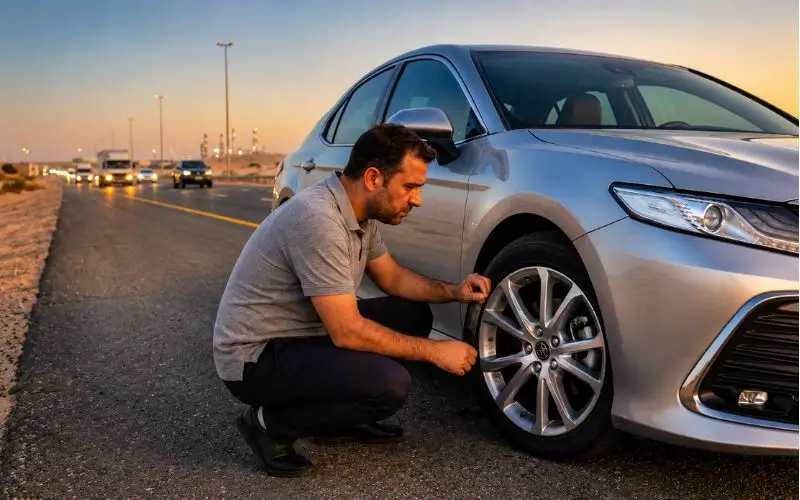
Some of the common problems with the brakes generally occur after traveling long stretches of highway from Dubai to Abu Dhabi. These trips involve high speeds, sudden deceleration due to traffic, and frequent hard braking, which gradually load the braking system. There are several obvious issues based on heat, pressure, and long-distance driving.
When brakes overheat, they are not as effective in stopping the vehicle; worn-down brake pads lose their braking power; the braking fluid can lose strength; the rotors can crack or become damaged; the ABS sensors can go bad; the steering can start vibrating; the vehicle can pull to one side, and braking can be slow or delayed.
Why Does Highway Driving Affect Your Brakes?
Constant braking pressure when you drive the Long Dubai to Abu Dhabi highway. Traffic flow causes you to often speed up and then slow down quickly. This repetitive motion causes brake heat and stress.
Brake pads wear down with age and usage. That’s why all of the services are significant for safe driving, such as Brake Pad Replacement Dubai. Failure to notice early signs may result in expensive repairs and hazardous driving situations on the busy highways.
Why Is Highway Driving Hard on Brakes?
The brakes are under greater strain when you’re on the highway between Abu Dhabi and the nearby cities. Cars move at high speed for long periods, and then suddenly slow down due to traffic or exits. This produces friction and the accumulation of heat in the brakes.
This heat over time can reduce brake pads, fluids, and rotors. When traveling on the highway, the abrupt stops can cause stealth damage, unlike urban driving. That’s why driving long distances slowly wears out your brakes, even if you don’t notice any difference at first.
Common Car Brake Problems Caused By Long Drives on Abu Dhabi Highway
Extended trips on long roads between Abu Dhabi and the surrounding areas can gradually impact your vehicle’s braking components. Important brake components are subjected to stress due to high-speed driving, repeated braking, and heat accumulation.
This results in reduced performance and safety over time. The following are some of the most common brake problems experienced by drivers after extended highway trips and simple solutions to the issues.
1. Brake Overheating and Brake Fade
The top issue following long trips on the highway is brake overheating. Frequent braking at high speeds makes the brakes too hot. This heat decreases the stopping or braking power, called ‘brake fade’.
Drivers might think that the vehicle is not stopping quickly enough. It can get dangerous when using it in an emergency stop. To prevent this, drivers should ensure that braking is done in a progressive manner, ensuring that brakes cool down and that hard braking is avoided unless needed on long journeys.
How to Fix
After long drives, cool the brakes down by driving at a steady speed for a couple of minutes. Try to avoid rapid and forceful braking as much as possible. If brake fade is a frequent occurrence, consider having the brake system inspected for worn pads or heat damage. A mechanic might recommend a brake fluid change or a check for rotors that have been overheated.
2. Worn Brake Pads
When you’re driving long miles on the highway, your brake pads are subjected to repeated friction, which causes them to wear out. Thin pads do not make good contact with the rotor. This results in longer stopping distances and weak braking capabilities. Also, when pads are worn out, many motorists hear squeaking noises. Metals can come into contact with one another and do great damage if they are not taken care of.
How to Fix
Regularly inspect brake pads and replace if worn or noisy. Early replacement will avoid rotor damage and maintain smooth braking. For drivers who travel extensively, regular checks are a must so they don’t experience a brake failure on long trips.
3. Damaged or Warped Brake Rotors
Repeated heating and cooling may cause brake rotors to become uneven or warped. This normally occurs on prolonged journeys when brakes are applied often. Vibration is felt in the steering wheel when applying the brakes due to a warped rotor. It also decreases braking performance and comfort.
How to Fix
If you experience vibrations when braking, have the rotors inspected. In some cases, the warping can be fixed through resurfacing, but in cases of serious damage, replacement is necessary. Periodic maintenance can help detect rotor issues early to prevent safety issues.
4. Low or Overheated Brake Fluid
Brake fluid plays an important role in transferring pressure from the pedal to the wheels. Under extreme circumstances, the fluid may boil, and on long trips, the hot fluid can weaken or even boil. This results in a soft or spongy brake pedal. Depleted fluid can also impair braking performance in some instances.
How to Fix
Regularly inspect and maintain the brake fluid level and condition. Replace the old or dark fluid with fresh fluid as per the car manufacturer’s recommendations. If the pedal is feeling spongy, have the system checked for leaks and/or air in the brake lines.
5. ABS Sensor Malfunction
The ABS prevents the wheels from locking when the brakes are applied suddenly. ABS sensors can be exposed to dust, hot temperatures, and vibration during long highway trips. This can lead to false readings on the sensors, as well as dashboard warning lights. ABS failure can cause the car to skid on emergency stops.
How to Fix
Clean ABS sensors during routine maintenance. If the ABS warning light is on, diagnose the problem using a diagnostic scan. Change broken sensors so that braking can be kept under safe control.
6. Brake Noise and Vibration
When stopping after long trips on the freeway, many drivers hear unusual noise. This can be squealing, grinding, or clicking sounds. Sometimes such sounds are caused by worn pads or dirt between brake components. Vibration can also occur when braking at high speed.
How to Fix
Clean the brake components and remove dust/soil deposits. If noise persists, replace worn pads. Check if vibration is present; inspect rotors and wheel alignment for proper balance.
7. Uneven Braking or Vehicle Pulling
Uneven braking occurs when the various parts of the braking system are not equal. One of the brake calipers can wear out sooner or can become jammed in the brake rotor after extended highway travel. When the car is braking, it pulls to the side because of this.
How to Fix
Check brake calipers and pads on left and right sides. Change and repair stuck calipers as soon as possible. A wheel alignment can also help to restore balanced braking and promote control.
8. Delayed Brake Response and Spongy Pedal
Some drivers experience a lag in stopping when they drive for long periods of time. This is typically due to air in the brake lines or worn components of the brake system. The pedal can also feel soft or spongy, hindering driver control.
How to Fix
Flush out air in the brake system. If necessary, replace worn seals or broken parts. Proper pressure is maintained during regular servicing, and the brakes respond quickly on highways.
Driving Habits That Reduce Brake Wear
When driving on the highway, proper driving practice can save your brakes. These are easy practices that decrease the stress on your brakes and increase your safety.
- Keep a safe distance and make sure to have sufficient space between vehicles to allow for smooth braking instead of jamming on the brakes.
- Avoid braking a lot, and keep the rotors and pads from overheating by driving at a steady speed.
- Ease up the pressure on exits or slopes rather than applying heavy brakes to make more friction and heat.
- Engine braking is used sparingly to decrease the brake system’s workload when using it for control in downhill conditions.
- Don’t make radical lane changes since they cause hard braking and wear down the brake components quickly.
Brake Maintenance Tips for Long Highway Trips
Good maintenance of your brakes helps to prevent damage and keep your car safe on the highway before and after long trips.
- Test the brake fluid level before going anywhere to make sure it is at the correct pressure and to prevent weak or delayed brake response problems.
- Regularly check brake pads for wear – particularly if the car has high mileage – to avoid metal-to-metal contact and damage to the rotors.
- Ensure proper tyre pressure, as an imbalance of tyres may alter braking balance and increase stopping distance on highways.
- Do not continuously brake while driving, as this will cause heat to build up and wear brake pads, rotors, and fluid condition.
- After traveling, listen for unusual noises, such as squeaking or vibration, which can be signs of early problems in the brake system.
- Set up a regular maintenance regimen to maintain the brakes and ensure they are operating safely under repeated highway driving conditions.
When to Visit a Mechanic?
When there are warning signs in the brakes, you should head to a mechanic as soon as possible. If your car squeaks, grinds, or vibrates during braking, it should be examined. Another serious red flag is if the brake pedal is soft or spongy.
Never delay service if the car pulls to one side or the brake warning light comes on. If these issues are not addressed, they can turn into serious issues. A professional check can easily detect worn pads, fluid problems, or rotor damage and save additional repair expenses.
Conclusion
Many components of the braking system can be worn out with long highway drives between Dubai and Abu Dhabi. Typical problems include: overheating, worn pads, damaged rotors, fluid problems, ABS failure, noise, uneven braking, and slow response.
Scheduling regular inspections and service can keep the road safe. Basic maintenance tasks such as monitoring fluid levels and listening for anything amiss are important.
Take action if you see early warning signs to avoid putting yourself or others at risk and to keep driving easily and safely on all trips.
Read Also: Al Aweer Auto Market