Public transport is at the heart of every major city, determining the way people move around between work and play with urban environments. In Dubai the city has an extensive system of buses, taxis, metro lines and marine transportation supports millions of trips every day. One of the most significant locations in the infrastructure can be Al Ghubaiba Bus Station, an area that has for a long time been used as a vital link between the old neighborhoods and the modern infrastructure.
The station is located in Bur Dubai, the station serves as more than just a stop for transportation. It serves as a regular gathering point for commuters, it is a point of entry for tourists heading to other emirates and also a real-time link between Dubai’s history and its present. Its importance is not only due to the variety of routes it connects however, but also from the way it is integrated into daily life in Dubai.
Urban Location and Historical Context
The station is situated in one of the oldest and most richly cultured districts. Bur Dubai was built around ports, trade and markets, making transport accessibility essential since the beginning. Near Dubai Creek, the surrounding region is still thriving with stores, office buildings, residences and historic sites.
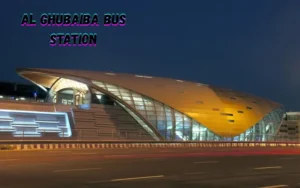
This position makes it possible for the station to reach the needs of a broad population. People use it for their daily commutes, business owners depend on it for access as well as tourists depend on it to visit the more traditional parts in the cities. The location in Al Ghubaiba Metro Station nearby helps in facilitating seamless transfers between metro and bus services.
Thanks to this strategically placed location, Al Ghubaiba Bus Station is a bridge that connects traditional urban areas and the metropolitan area in general.
Integration Within Dubai’s Transport Network
Dubai’s Roads and Transport Authority has focused heavily on integration–ensuring that different transport modes work together rather than in isolation. Metro stations that are connected to bus lines help reduce dependence on private cars and cut down travel time.
The metro’s nearby connection allows passengers to transfer between trains and buses without having to walk for long distances or incurring additional cost. This system is integrated to support everyday commuting, tourism and intercity travel. It also keeps the congestion at bay.
The station also has connections with taxi stands and pedestrian walkways which makes it accessible to everyone of all ages and levels of mobility.
Read Also: ADCB Metro Station
Bus Services and Route Coverage
The station is able to provide a wide variety of services which makes it among the top and most flexible public transportation stations around the metropolitan area.
Types of Services Available
- Local Dubai bus routes cover commercial and residential areas.
- Intercity routes linking Sharjah, Abu Dhabi, and Al Ain
- Feeder buses that help metro connectivity
The wide coverage enables passengers to plan trips that mix both long and short distances by using the same transportation point.
Since routes are available throughout the day, passengers can count on regular service no matter what the time of day or their travel schedule.
Passenger Facilities and Comfort
Modern transportation hubs are expected to offer more than just buses and platforms. The comfort, clarity as well as safety are vital particularly in areas with high traffic.
Facilities Available
- Air-conditioned waiting rooms
- Digital displays for timing and route information
- The Nol card and Ticketing services
- Restaurants and refreshment options
- Clearly identified the entry and exit points
These features can help control the flow of passengers while ensuring an orderly atmosphere.
Daily Commuting and Workforce Mobility
For many, Al Ghubaiba Bus Station is a part of their daily routine. Retail workers, office workers, students, and employees of the service industry depend on the station’s ability to get to their destinations in Dubai.
Public transport plays a vital function in the mobility of the workforce particularly in urban regions where parking and congestion are frequent issues. With its reliable schedules and wide connectivity to the city, the station can boost the productivity of workers and ensures punctuality.
Its reliability is crucial for those who depend solely on public transportation instead of private vehicles.
Read Also: Union Metro Station
Social and Economic Impact
Transport infrastructure affects more than mobility; it affects the local economy and social interactions. Regions that have strong connectivity are more likely to attract business as well as maintain steady footfall, and stay economically active.
Being near a large transportation hub makes it easier for local markets, shops and other services. This helps small firms and promotes sustainability in the local area.
In addition the station facilitates social interaction by bringing various communities together in a common space.
Nearby Landmarks and Cultural Access
One of the benefits of the station’s location is the closeness to historical and cultural landmarks. Travelers frequently combine shopping and sightseeing or leisure activities.
Local attractions nearby include
- Al Fahidi Historical Neighborhood
- Traditional markets and souks
- Heritage and museum buildings
- Waterfront areas along the river
This facilitates tourism, as well as allowing residents to stay in touch with their heritage.
Major Transport Hub vs Local Bus Stops
| Aspect | Major Transport Hub | Local Bus Stop |
| Connectivity | Taxi, metro, bus | Bus only |
| Passenger Volume | Very high | Low to moderate |
| Facilities | Extensive | Limited |
| Urban Role | Access to the city at all times | Neighborhood access |
| Reliability | High | Route-dependent |
This analysis demonstrates why centralized hubs are still essential, even in areas with a wide bus network.
Role in Sustainable Urban Mobility
Dubai continues to encourage public transport as a part of its sustainability plan. The reduction in private vehicle usage reduces emissions, reduces congestion, and boosts the overall efficiency of cities.
Through encouraging the sharing of mobility and efficient transport, Al Ghubaiba Bus Station aids in these objectives directly. Its inclusion in the public transport system makes it an attractive and practical alternative for everyday travel.
Design and Operational Efficiency
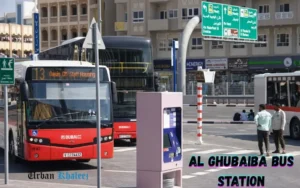
Efficiency is crucial for stations with high traffic. Clean signage, organized platforms and consistent scheduling help to reduce delays and confusion.
The station’s layout facilitates easy passenger flow, reducing bottlenecks, even during peak hours. Monitoring systems and staff presence help to ensure safety and order.
These strengths in operation help to maintain the trust of the public in the transportation system.
Read Also: Stadium Metro Station
Challenges and Ongoing Improvements
As with any major urban center, Stations face problems such as congestion during peak hours and peak-seasonal surges of passengers. Constant upgrades and service adjustments aid in addressing these issues.
The investment in digital systems such as route optimization, route optimization, and passenger information ensures the station is operational despite the increasing demands.
Long-Term Relevance in a Growing City
In the course of time, as Dubai continues to grow, transportation hubs that service both historic areas as well as modern districts will become increasingly important. They ensure accessibility while adjusting to the changing travel patterns.
The station’s long-standing history coupled with the latest technology ensures that it’s relevant even as the surrounding communities change.
Conclusion
Being one of Dubai’s longest established public transport hubs Al Ghubaiba Bus Station plays an integral role in everyday transportation, economic activity along with urban integration. Its central location, excellent connectivity, and a variety of facilities designed for passengers are essential to travelers and commuters alike.
By linking historic districts with the wider city, the station reflects Dubai’s broader approach to development–balancing heritage with progress. In a constantly changing urban setting, these transport stations are vital to sustainable and sustainable urban living.
Read Also: Baniyas Square Station Dubai Metro
FAQs
What is the location of Al Ghubaiba Bus Station located?
It is situated in Bur Dubai, close to Dubai Creek and the Green Line metro.
Does it have a connection to other Emirates?
Intercity buses run to places like Sharjah in addition to Abu Dhabi.
Can the station be used for commuting on a daily basis?
It is utilized by commuters on a daily basis because of the reliability of it and its connectivity.
Are there facilities for passengers waiting to be served?
Yes, shops, halls that are air-conditioned and information boards with digital technology.
What is the significance of this station to Dubai?
It facilitates mobility for workers, it also facilitates access to tourism and public transport that is integrated.